About us
About this underpinning site and who runs it
Underpinning Southampton takes enquiries from homeowners who have noticed cracks, sticking doors or uneven floors. The specialist firms that carry out the work operate across the city and surrounding areas.
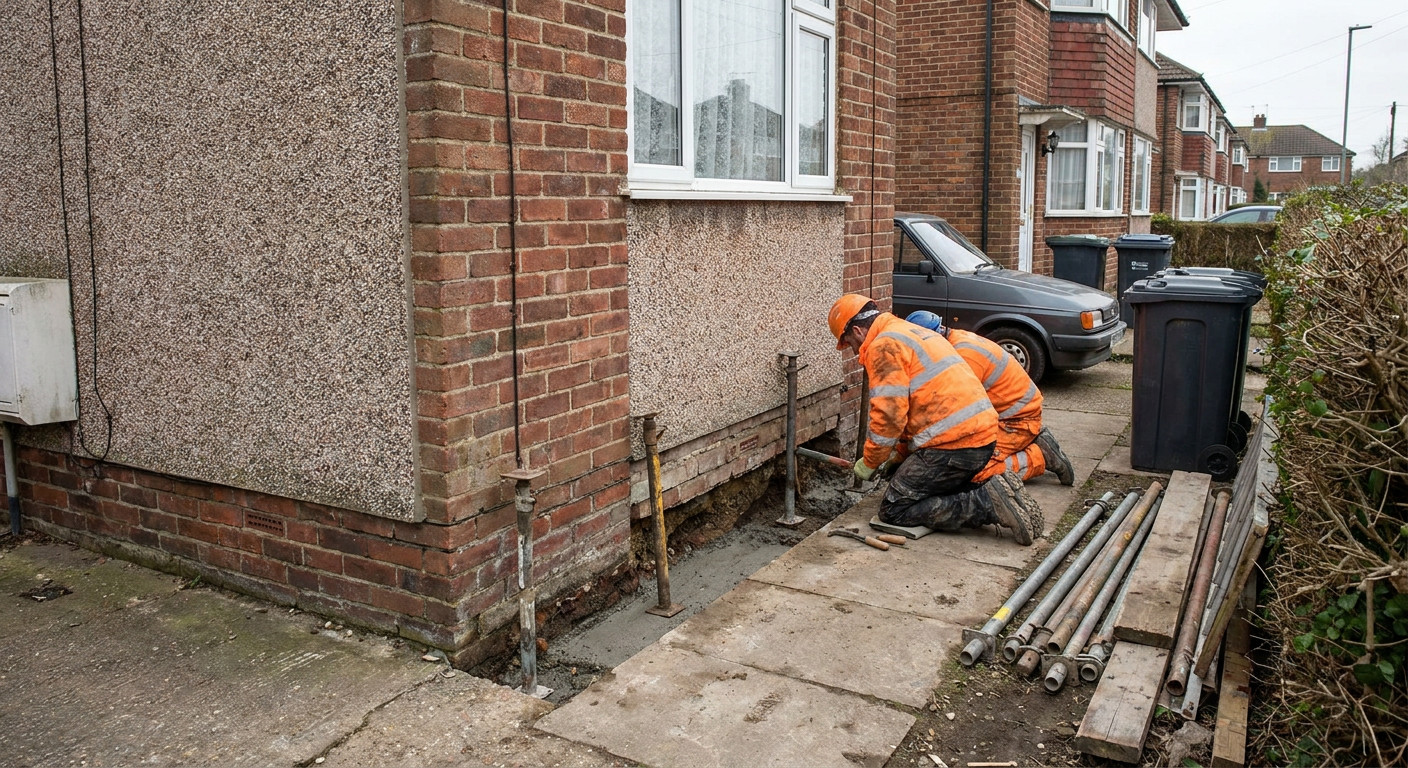
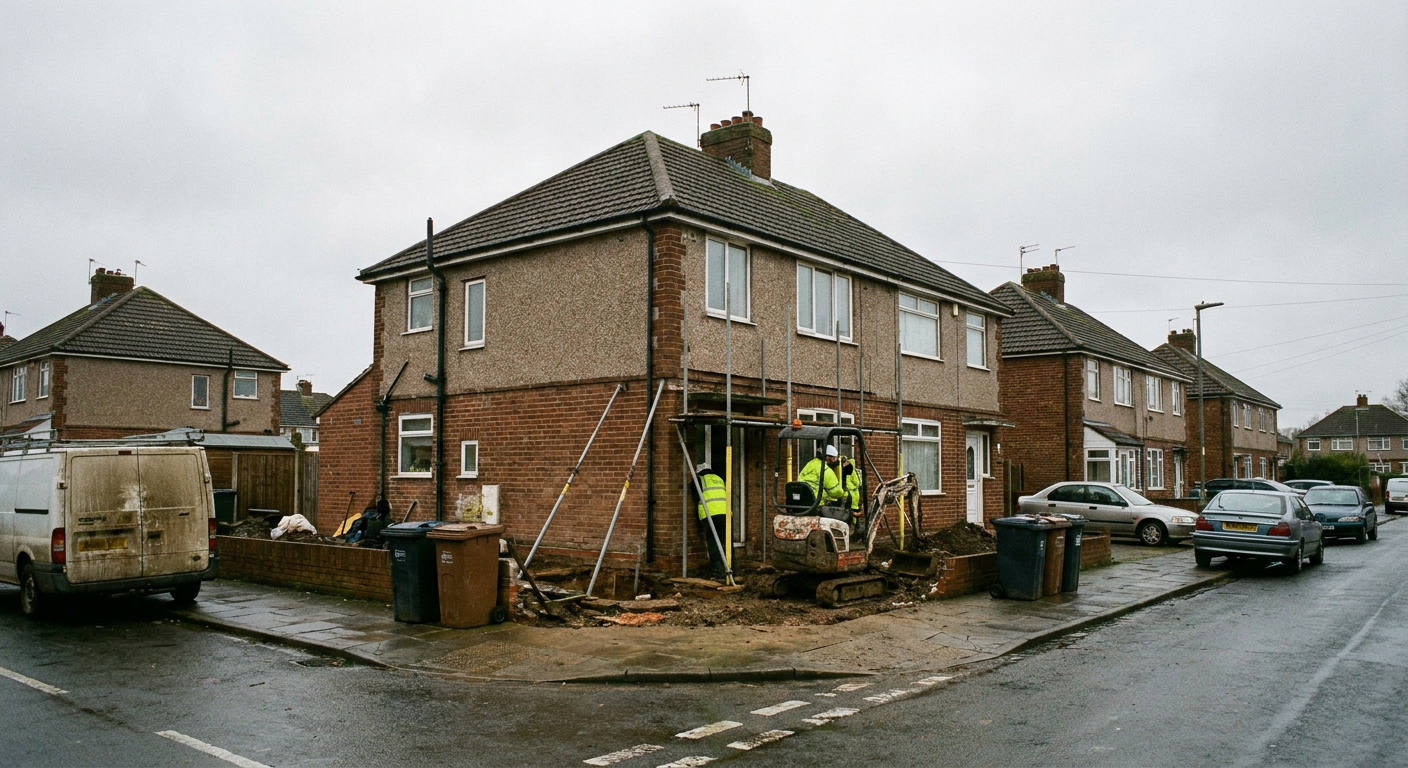
Taking enquiries about ground movement
A crack in the brickwork or a door that no longer shuts properly is enough to make anyone worry about their home. Underpinning Southampton exists to take those worries seriously. The business receives enquiries from people across the city who have spotted signs of movement and need to know what comes next.
Every enquiry is handled by people who understand the local ground conditions. Southampton sits on a mix of clay, gravel and chalk, and each behaves differently when the weather changes. A house in Sholing built on river terrace deposits faces different risks from one in Chilworth on the chalk downs. That local knowledge shapes how each call is answered.
The business does not carry out physical work itself. Instead, it passes every enquiry to a separate specialist firm equipped to handle the specific problem. If you are unsure whether a crack matters, reading about the difference between subsidence and settlement can help before you pick up the phone.
Specialist firms that do the work
Once an enquiry arrives, a specialist firm takes over. These are independent businesses with the plant, the engineers and the experience to stabilise a moving foundation. They diagnose the cause, design the fix and carry out the construction.
The methods vary because the ground varies. Mass concrete underpinning suits heavier structures where the soil near the surface is unreliable. Mini piled underpinning reaches deeper, past weak layers down to something solid. Resin injection offers a lighter approach for homes where excavation would be disruptive. Crack repair addresses the visible damage once the movement has stopped.
Each specialist firm decides which method fits after examining the site. Homeowners do not need to choose a technique themselves. The right approach depends on the soil, the weight of the building and how far the movement has gone. Reading about what affects underpinning cost gives a sense of why these variables matter.
Covering Southampton and the surrounding areas
Ground movement does not respect postcode boundaries. The specialist firms work across Southampton and into the neighbouring towns and villages where the same clay soils cause the same problems.
Enquiries come in from Totton, Hedge End, Thornhill, Nursling and Bassett. Homes in Hamble-le-Rice, Rownhams, Redbridge and West End see similar patterns of cracking, particularly after dry summers when the clay shrinks. Each area has its own quirks. Houses near mature trees often suffer root-related subsidence, while older properties may simply be settling after decades on soft ground.
The business covers all of these places. If your home is in one of them and you have noticed stepped cracks in the brickwork or windows jamming in their frames, an enquiry will reach a firm that knows the local geology. You can check the full list of areas covered to confirm your location is included.
What happens after you get in touch
Sending an enquiry starts a process, but it does not commit you to anything. The first step is usually a conversation about what you have seen and how long it has been happening. Small details matter: whether the crack appeared suddenly or grew slowly, whether doors stick more in winter than summer, whether a large tree stands close to the affected wall.
If the situation warrants it, the specialist firm will arrange a subsidence survey. This involves measuring the movement, checking the drainage and assessing the soil. Structural monitoring might follow, tracking the building over weeks or months to establish whether the movement is ongoing or has already stopped.
Only once the cause is clear does any repair work begin. For some homes, that means basement underpinning to create usable space below ground. For others, it is straightforward foundation repair. The guides on this site explain each stage so you know what to expect before anyone arrives with a spade.
What the specialist firms handle
Site investigation and diagnosis of ground movement, including surveys and long-term structural monitoring to track whether a home is still shifting.
Foundation stabilisation using mass concrete, mini piling or resin injection, chosen to suit the soil type and the weight of the building.
Repair of visible damage such as stepped cracks in brickwork, sticking doors and jammed windows once the underlying movement has stopped.
Basement conversions and cellar lowering, where existing foundations need extending downward to support new habitable space below ground.
Ask about movement in your home
Send a description of what you have noticed. The enquiry goes to a specialist firm familiar with Southampton ground conditions. It does not commit you to any work or cost.
- No obligation
- Local knowledge
- Clear next steps