Subsidence guide
Can tree roots cause subsidence near your home?
Find out how roots draw moisture from shrinkable ground, why felling a tree near your home is not always the answer, and what a specialist weighs before recommending any work.
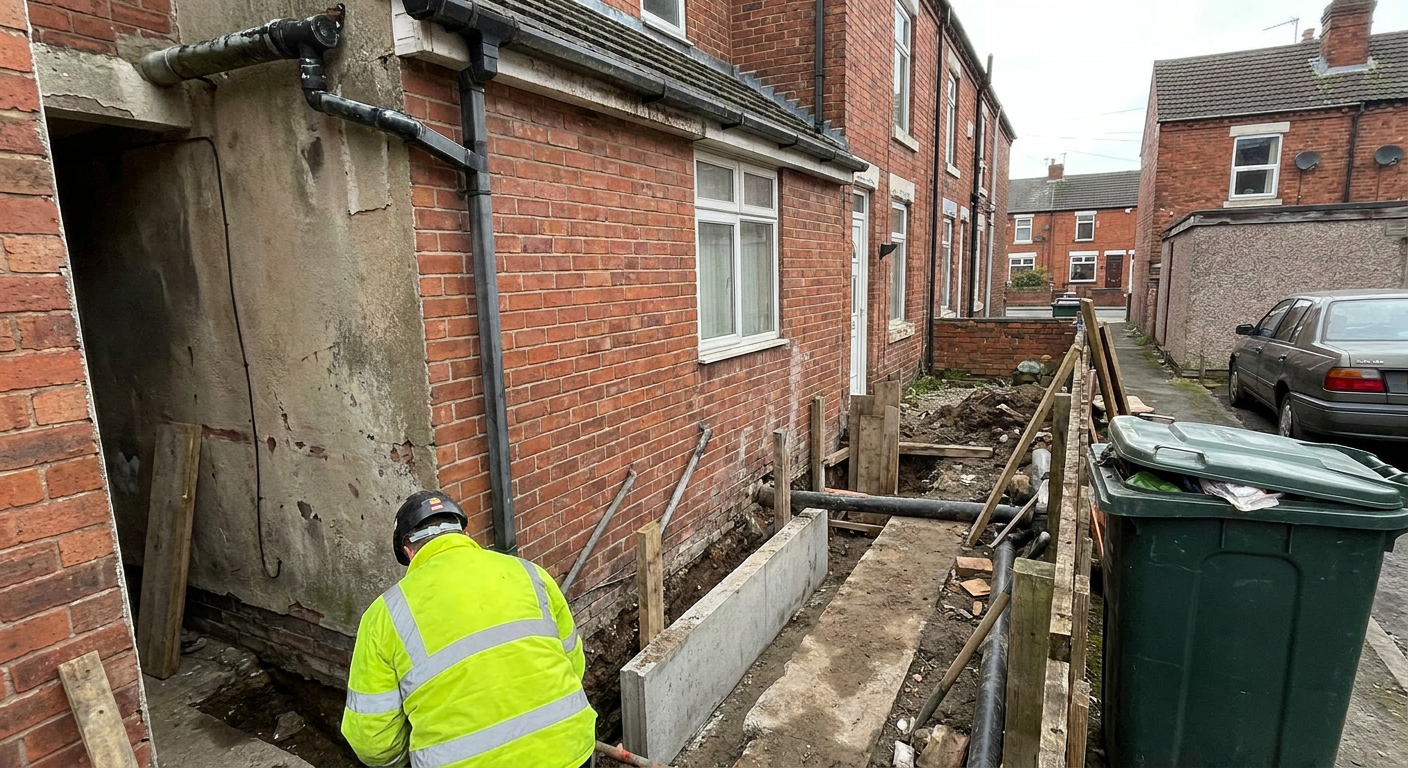
Can tree roots cause subsidence
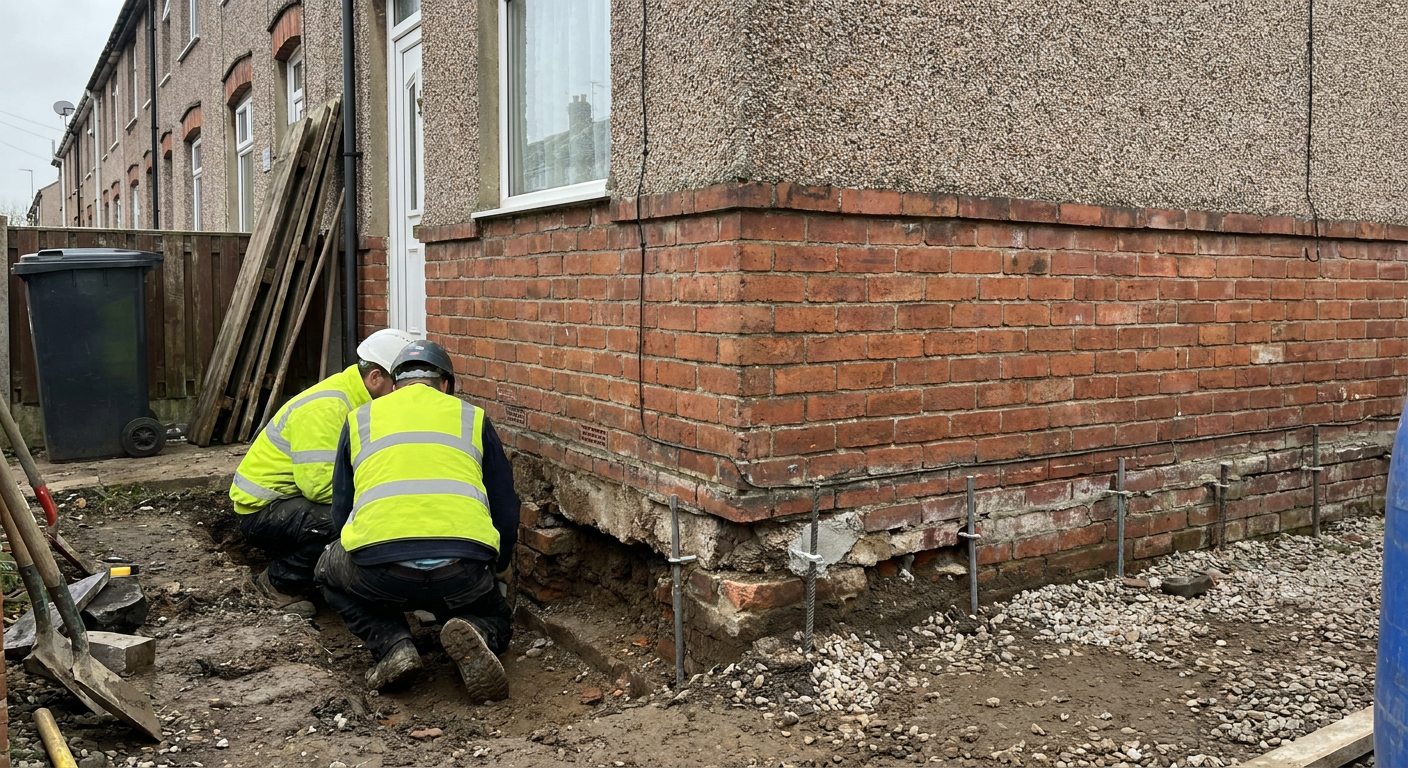
How roots draw moisture from clay soil
Southampton sits on varied geology, but many suburbs rest on shrinkable clay. During dry spells this clay loses volume as trees pull water from it through their roots. A mature oak can extract thousands of litres a week in summer. When the ground beneath shallow foundations shrinks unevenly, the walls above move. This is the mechanism behind most root-related subsidence in the city.
The question people in leafy areas like Bassett or Chilworth ask constantly is whether a large tree near the house could be causing cracks. The distance that matters depends on the species and the soil. Broadleaved trees such as oaks, willows and poplars have extensive root systems that spread well beyond the canopy. If a tree is closer to the wall than its mature height, the roots may already be reaching the foundation soil. Clay soil shrinkage cracks house walls when that moisture deficit grows faster than winter rain can replace it.
Why removing a tree is not always the answer
Felling a tree seems like the obvious fix, but it carries its own risk. When a tree that has been drying the ground for years is removed, the clay absorbs water again and swells. This upward movement is called heave, and it can damage a house just as badly as the original subsidence. Removing tree subsidence risk heave is a sequence specialists plan for carefully rather than rushing into.
A tree root investigation in Southampton usually starts with identifying exactly which roots belong to which tree. Trenches are dug near the affected wall so the specialist firm can examine the soil profile and take samples. Sometimes pruning the crown reduces water demand enough to stabilise the ground without felling anything. Root barriers are another option where space allows, deflecting growth away from the foundations. The choice between these measures and underpinning depends on how much the building has moved and whether the movement is seasonal or progressive.
Proving the cause and assigning responsibility
Before anyone recommends mass concrete underpinning or resin injection, the cause must be proven. Crack monitoring over several months shows whether movement correlates with the seasons. Boreholes confirm the soil type and moisture content at depth. If a neighbour tree damaging my wall is suspected, the evidence needs to show those specific roots are extracting moisture from the subsoil beneath the affected foundations.
Responsibility adds another layer. If the tree stands on council land or belongs to next door, the homeowner cannot simply cut it down. Legal advice and communication with the owner come first. Many trees in Southampton carry preservation orders, meaning permission from the local planning authority is required before any pruning or felling takes place. A specialist firm will often coordinate with arborists and insurers during this process. Structural monitoring helps all parties see the same data, making it harder to dispute what is happening below ground.
When underpinning becomes necessary
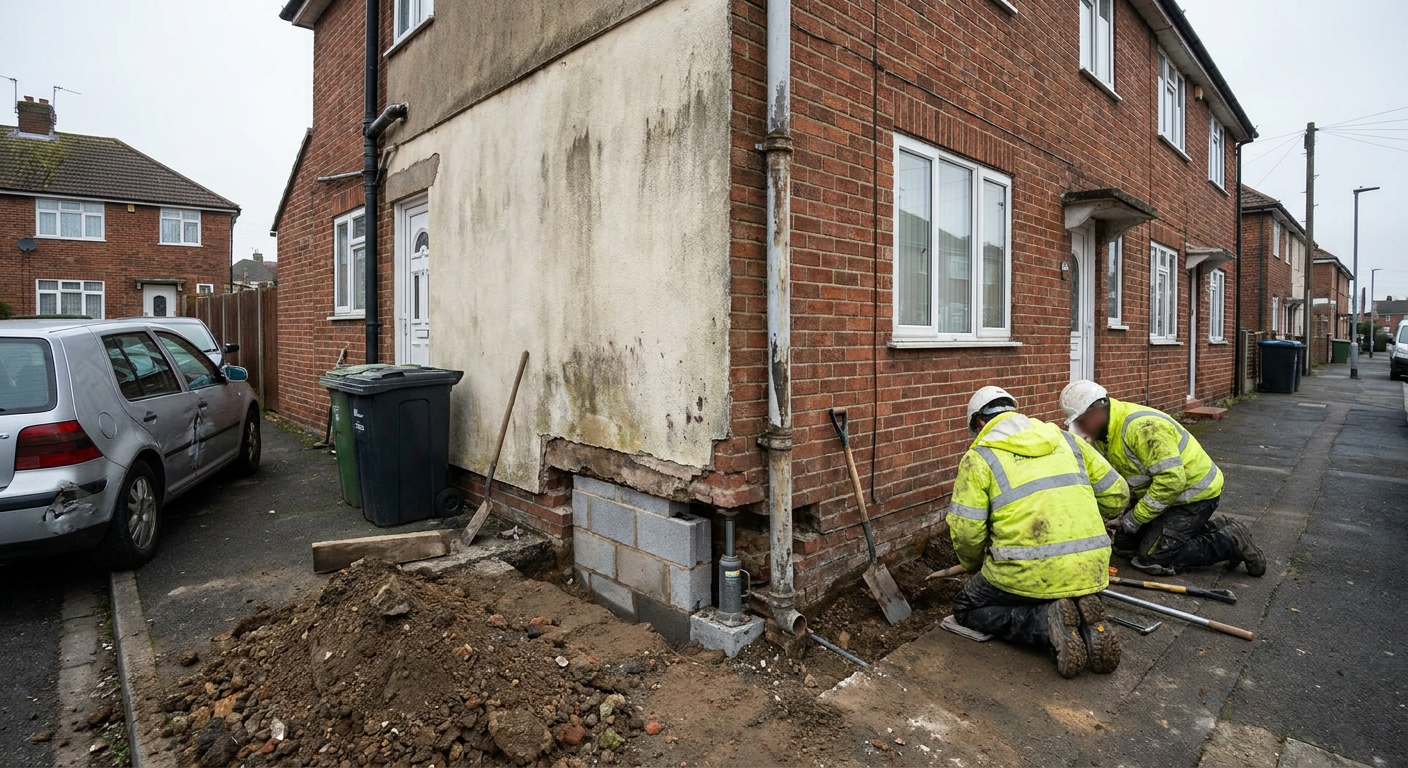
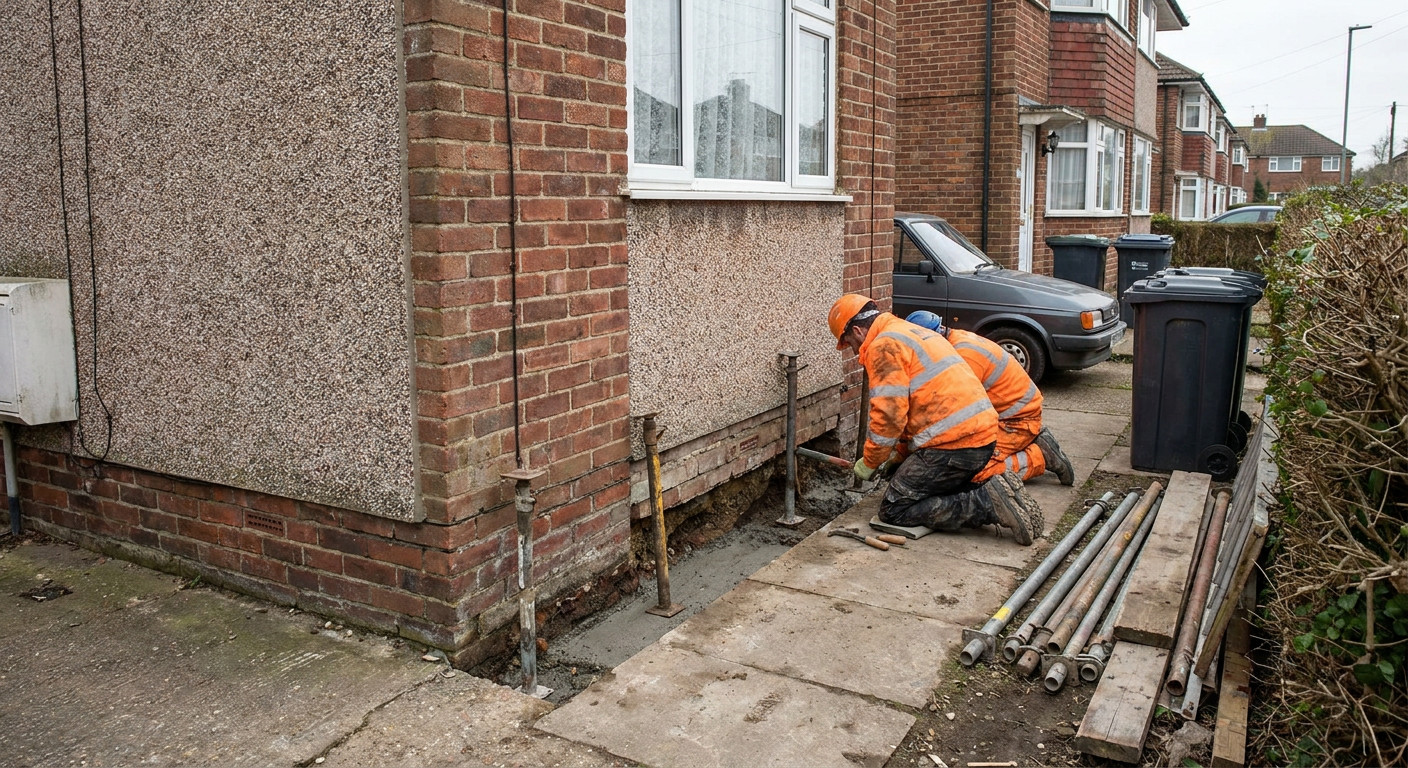
If monitoring confirms ongoing movement and less invasive measures cannot arrest it, the specialist firm will recommend a foundation repair method suited to the ground conditions. Mass concrete underpinning extends the foundation depth below the zone affected by roots. Mini piled underpinning transfers the load past the shrinkable clay entirely, resting on stable strata deeper down.
Crack repair alone does not solve the problem if the ground is still moving. The structural issue must be addressed first. In some parts of Southampton, resin injection offers a lighter alternative where the soil conditions suit it. Whatever method the specialist selects, the goal is to stop the differential movement so the home settles back into a stable state. Homeowners dealing with sticking doors or stepped cracks in brickwork should arrange a subsidence survey to find out where they stand before deciding on any course of action.
Signs that tree roots might be affecting your home
Root-related subsidence tends to follow a seasonal pattern. Cracks open wider in late summer when the ground is driest and narrow again after winter rains. Look for these changes around your home.
- 1
Diagonal cracks near corners
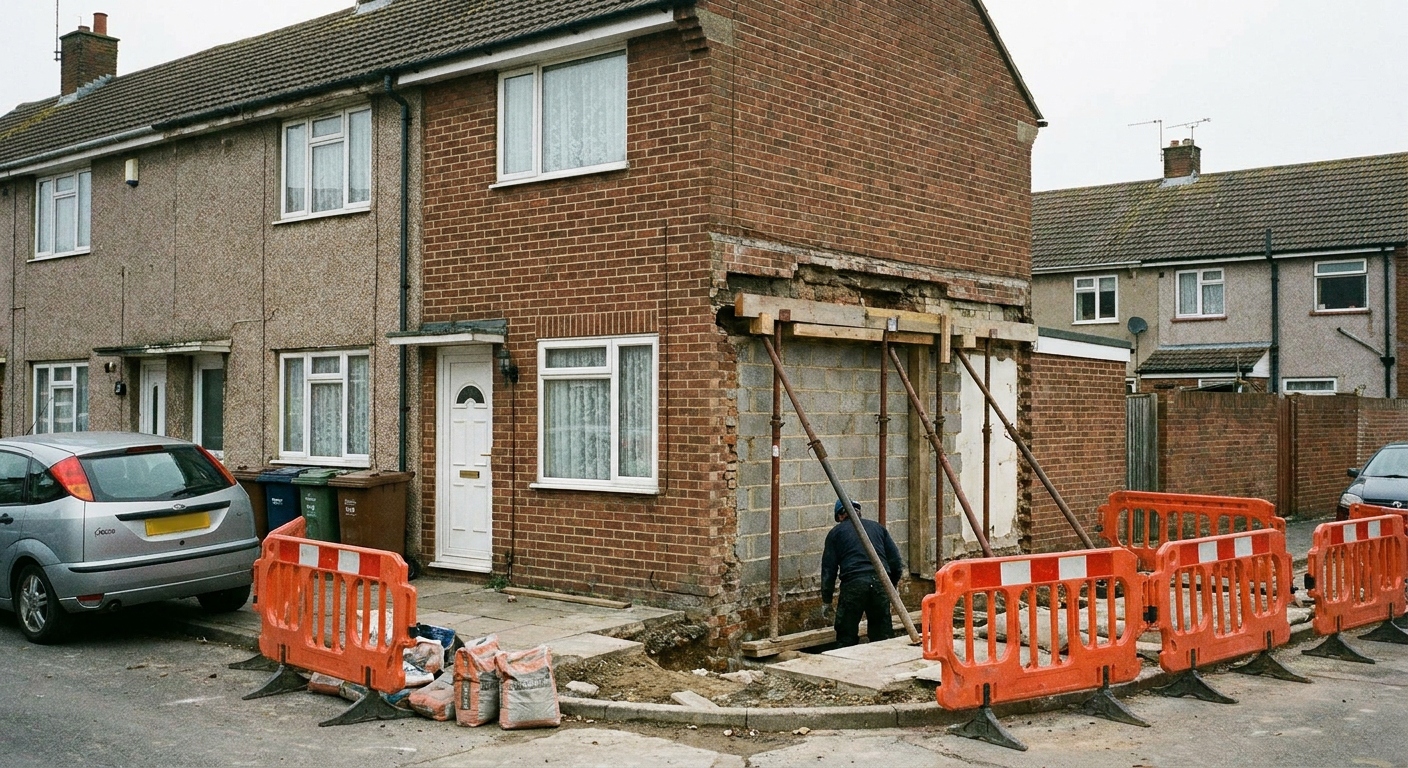
Cracks running diagonally from window or door corners, often wider at the top, suggest one part of the wall is sinking relative to another.
- 2
Doors and windows sticking
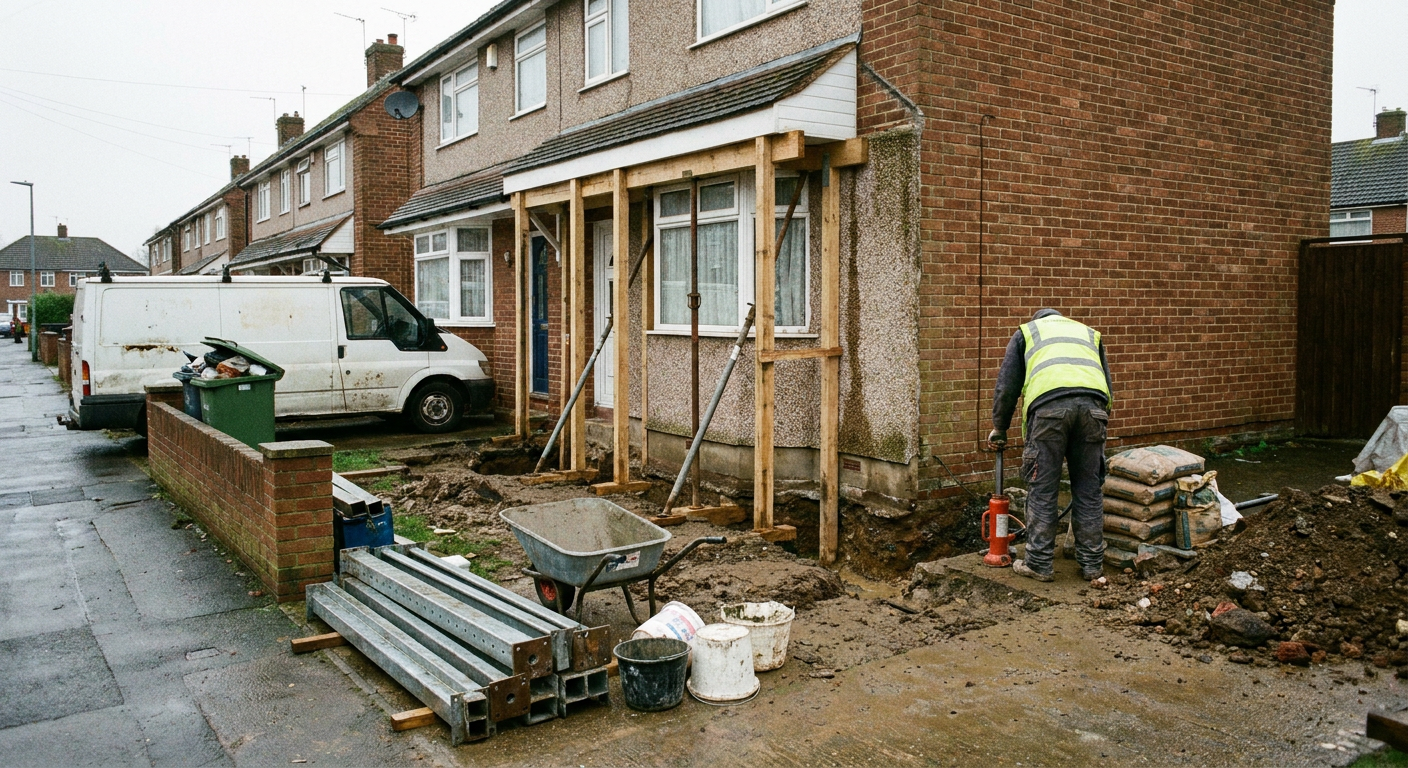
Frames distort when walls move. A door that jams only in August points to seasonal ground shrinkage rather than a permanent fault.
- 3
Gaps at skirting boards
Floors dropping away from walls leave visible gaps along the bottom of skirting boards, particularly on the side nearest a large tree.
- 4
Stepped cracks in brickwork
Mortar joints crack in a staircase pattern because bricks resist breaking. Stepped cracking follows the weakest path through the wall.
What you do and what the specialist does
Your role is limited to noticing the signs and asking for help. The specialist firm handles the investigation, the diagnosis and the physical work.
What a specialist does
- Install crack monitors to track seasonal movement
- Dig trial holes and take soil samples for analysis
- Identify root species found near the foundations
- Recommend pruning, barriers or underpinning based on findings
- Carry out the agreed foundation repair work
- Continue monitoring after the repair to confirm stability
What you do
- Record when cracks appear or widen through the year
- Send an enquiry describing what you have noticed
- Allow access for the site investigation
Ask about tree root subsidence in your home
Send details of what you have noticed. The information goes to a specialist firm covering Southampton who can advise on next steps. It does not commit you to any work or cost.
- No obligation to proceed
- Specialist firms handle the work
- Advice based on local ground