West End, east of the Itchen
Subsidence help in West End: what to do first
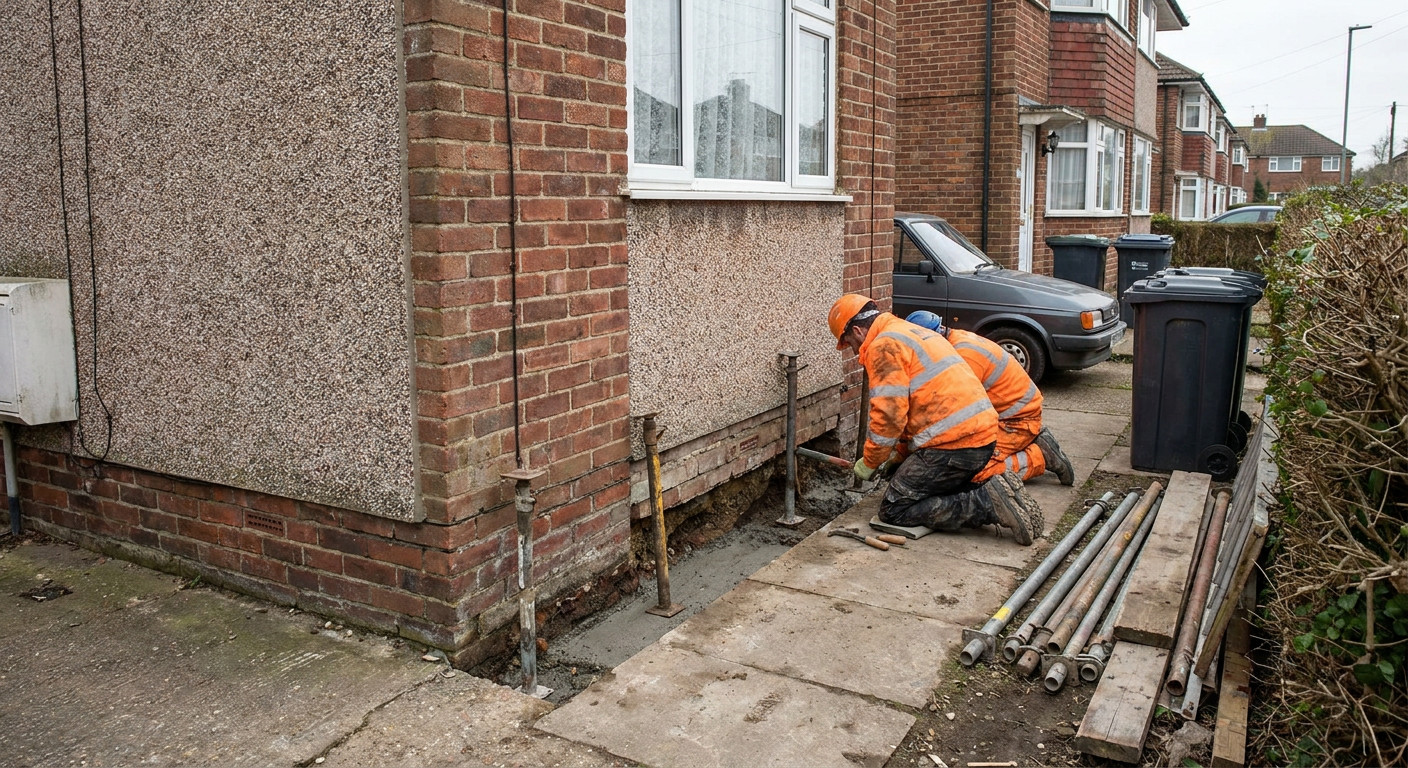
A crack or sticking door means you need subsidence help West End residents can rely on. Describe what you have noticed at your home and a specialist firm will arrange to look at it.
- Local knowledge of plateau gravels
- No obligation to proceed
- Clear explanation of next steps
Describe what you have noticed
What movement looks like inside your home
Ground movement shows up as damage to finishes and joinery before the cause is clear. Spotting these signs early helps a specialist firm plan the right response for your home.
- 1
Cracks near bay windows
Diagonal lines opening through plaster or brickwork around a bay window often point to uneven settlement beneath that section of the wall.
- 2
Doors catching on frames
A door that sticks or fails to latch may mean the frame has shifted out of square because the ground underneath has moved.
- 3
Gaps at skirting boards
A visible gap between the floor and the skirting board suggests the wall has dropped slightly away from the floor joists.
Foundation repair and underpinning in West End
Homes east of the Itchen sit on mixed clay and gravel topsoil over plateau gravels. That geology shapes how a specialist firm approaches foundation problems in West End, Southampton.
-
Subsidence survey in West End
A subsidence survey in West End establishes whether the movement is active or historic. The specialist records crack widths and checks the soil profile across the plateau gravels before recommending any repair work.
-
Mass concrete underpinning in West End
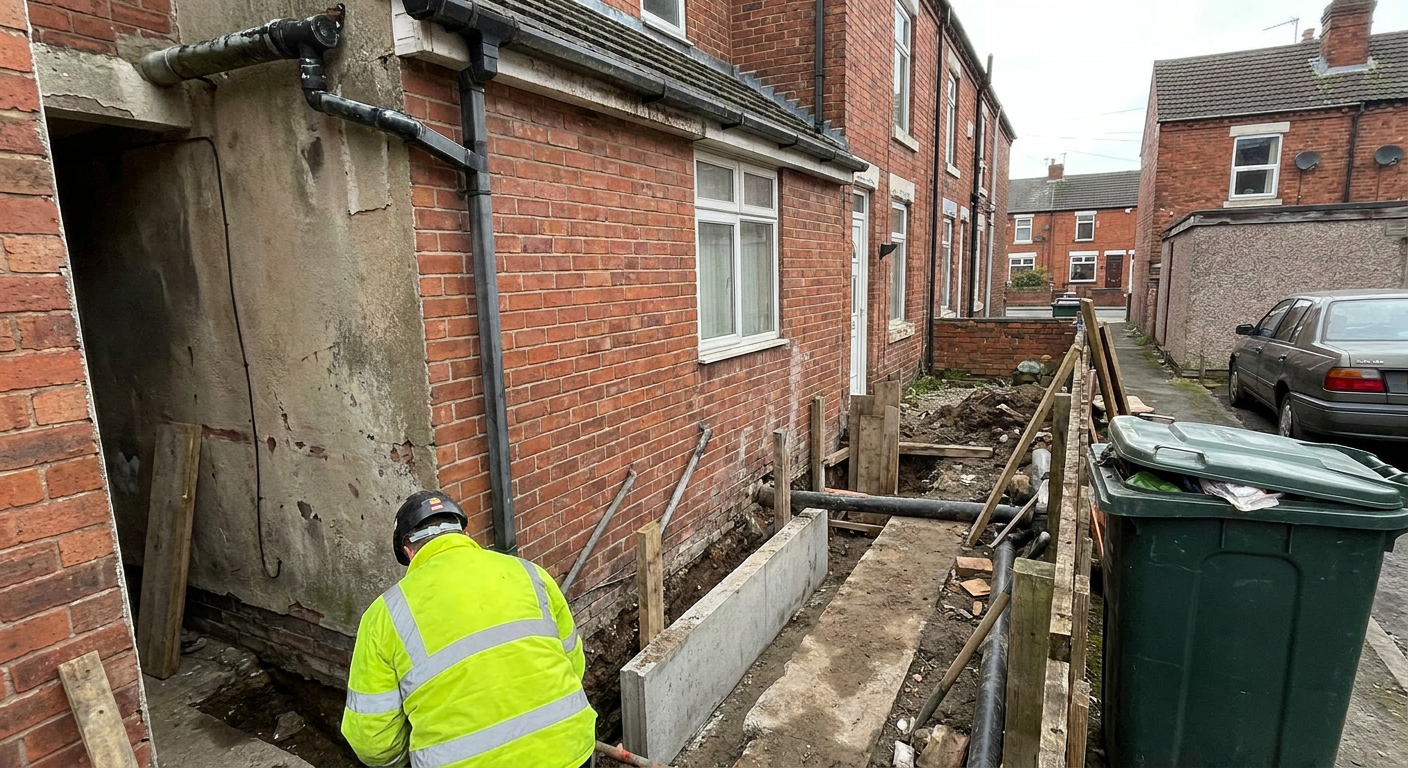
For mass concrete underpinning near the Itchen, the specialist excavates in short bays beneath the existing footing and pours concrete to transfer the load to firmer strata below the gravel layer.
-
Mini piled underpinning in West End
Mixed clay and gravel topsoil over plateau gravels presents uneven resistance when driving contiguous pile underpinning. A mini piled underpinning contractor drills through these variable layers to reach stable bearing strata deep underground.
-
Resin injection in West End
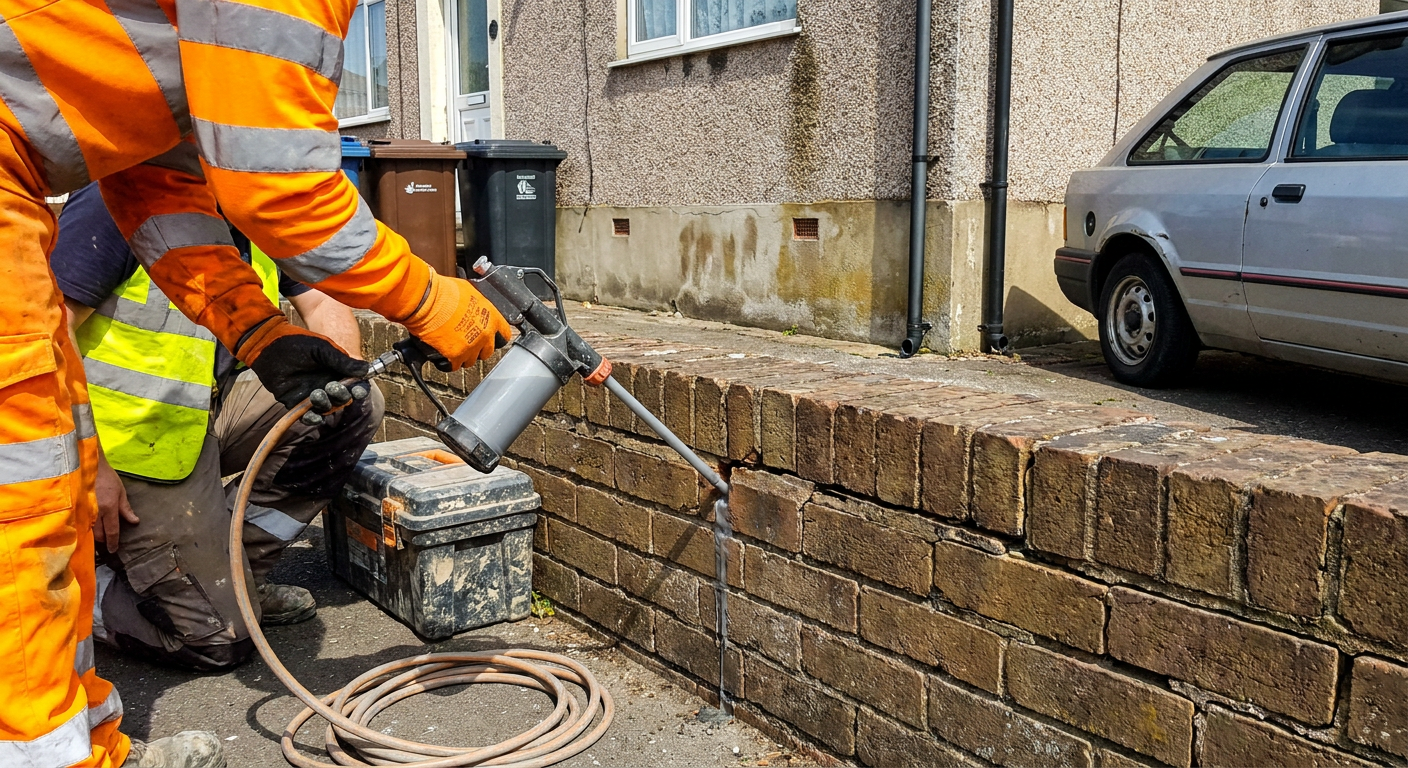
Resin injection in West End involves pumping expanding material beneath shallow footings to compact loose ground. The specialist uses this method where excavation would be impractical or too disruptive to the garden.
-
Structural monitoring in West End
Structural monitoring tracks whether cracks in walls continue to widen after initial repairs. The specialist installs gauges and returns at set intervals to record readings, confirming the home has stopped moving.
-
Crack repair in West End
Crack repair in West End follows stabilisation of the foundations. The specialist rakes out damaged mortar or plaster and fills the void with flexible material that tolerates minor seasonal shifts.
-
Basement underpinning in West End
Basement underpinning in West End lowers an existing cellar floor by excavating beneath the perimeter walls in controlled stages. The specialist props the structure while pouring new concrete at the lower level.
-
House underpinning in West End
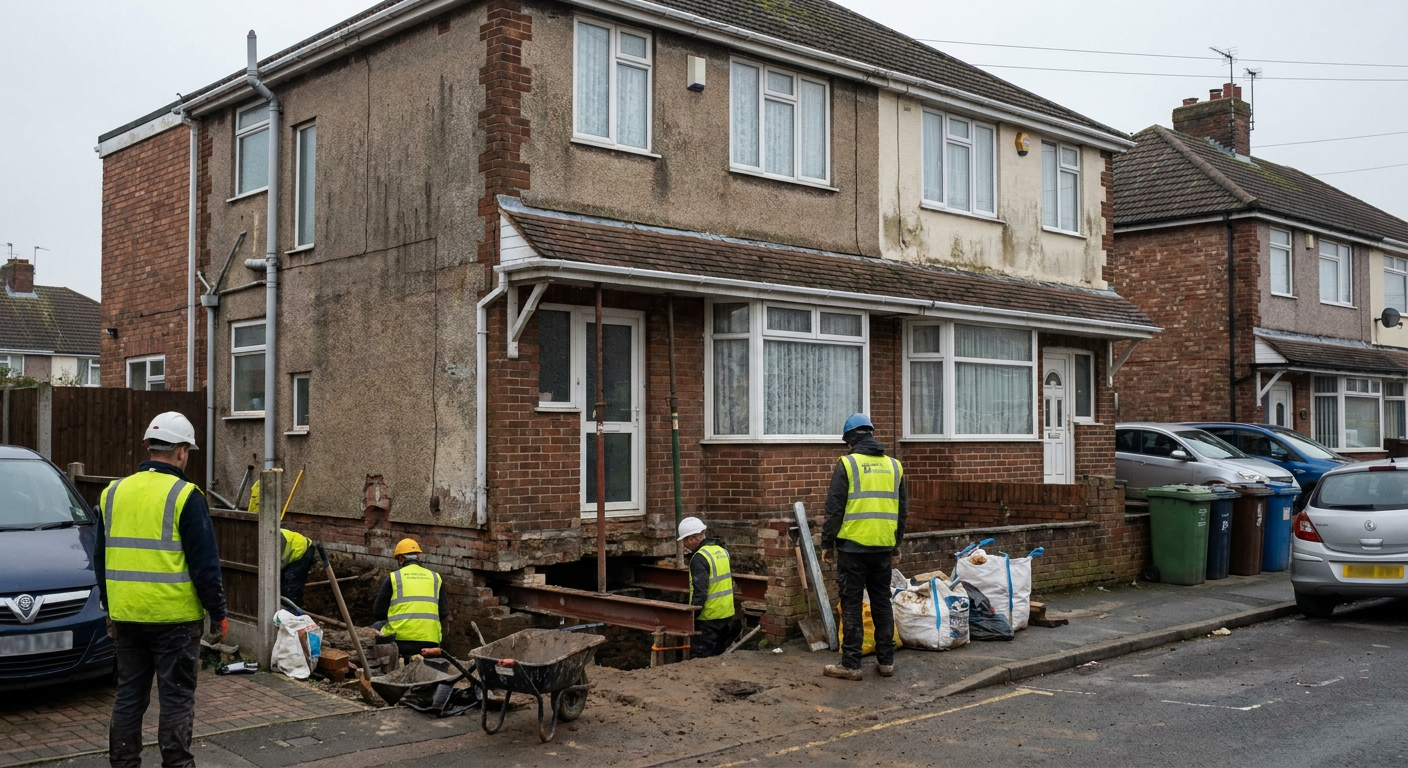
House underpinning addresses the whole footprint when widespread settlement threatens structural stability. The specialist sequences the work so the building remains supported throughout, protecting the interior finishes as much as possible.
-
Foundation repair in West End
Foundation repair in West End covers patching spalled concrete, replacing corroded ties or stitching fractured masonry. The specialist assesses which elements still carry load safely and which need direct intervention.
-
Underpinning contractors in West End
Underpinning contractors operating east of the Itchen understand the local geology. A specialist firm brings plant suited to tight suburban plots and experience working alongside drainage engineers and loss adjusters.
Areas covered east of the Itchen
Enquiries from homes in West End and the surrounding neighbourhoods are handled by specialist firms familiar with the plateau gravels and clay soils found east of the river.
If your street is not listed, send an enquiry anyway. Coverage extends across the wider Southampton area.
Questions about subsidence in West End
These are the things homeowners east of the Itchen ask most often before arranging a visit.
- Who covers West End and Hedge End?
- Specialist firms take enquiries for both areas. A house movement survey south of the SO30 postcode zone follows the same process, whether the property sits in West End or Hedge End.
- Is a bay window crack serious?
- A 1930s bay window often has its own shallow footing. Cracks there may indicate localised settlement. A subsidence survey in West End determines if the movement is ongoing.
- Usual causes of movement here
- The mix of clay and gravel shrinks and swells with moisture changes. Tree roots extracting water from clay, or leaking drains washing out fines, are frequent triggers east of the Itchen.
- Leaking drains and subsidence
- A leaking drain can wash soil away from footings. During a subsidence survey SO30 postcodes fall within, the specialist arranges a drainage subsidence check to rule out water escape as the cause.
- First step if foundations move
- Record the crack width and note the date. Then send an enquiry so a specialist firm can arrange a subsidence survey in West End to establish whether the movement is active.
- Garden disruption during work
- Underpinning near the Itchen usually requires access along one or two elevations. The specialist explains exactly which sections of driveway or garden need lifting before any work begins.
Find out what the movement means for your home
Sending an enquiry costs nothing and does not commit you to any repair work. You get a clear picture of what is happening beneath your home and what to do next.
What happens next
- Describe the signs at your home in West End
- A specialist arranges a visit to your address
- Receive a written report on findings and next steps