Seasonal guide
Cracks after a dry summer: what they mean
Late summer is when many homeowners in Southampton first notice new lines in their plaster. Clay shrinkage causes cracks after a dry summer as the ground loses moisture and pulls away from foundations. Telling seasonal movement from subsidence determines whether a specialist recommends watching the walls through winter or arranging a [subsidence survey](/subsidence-survey) straight away.
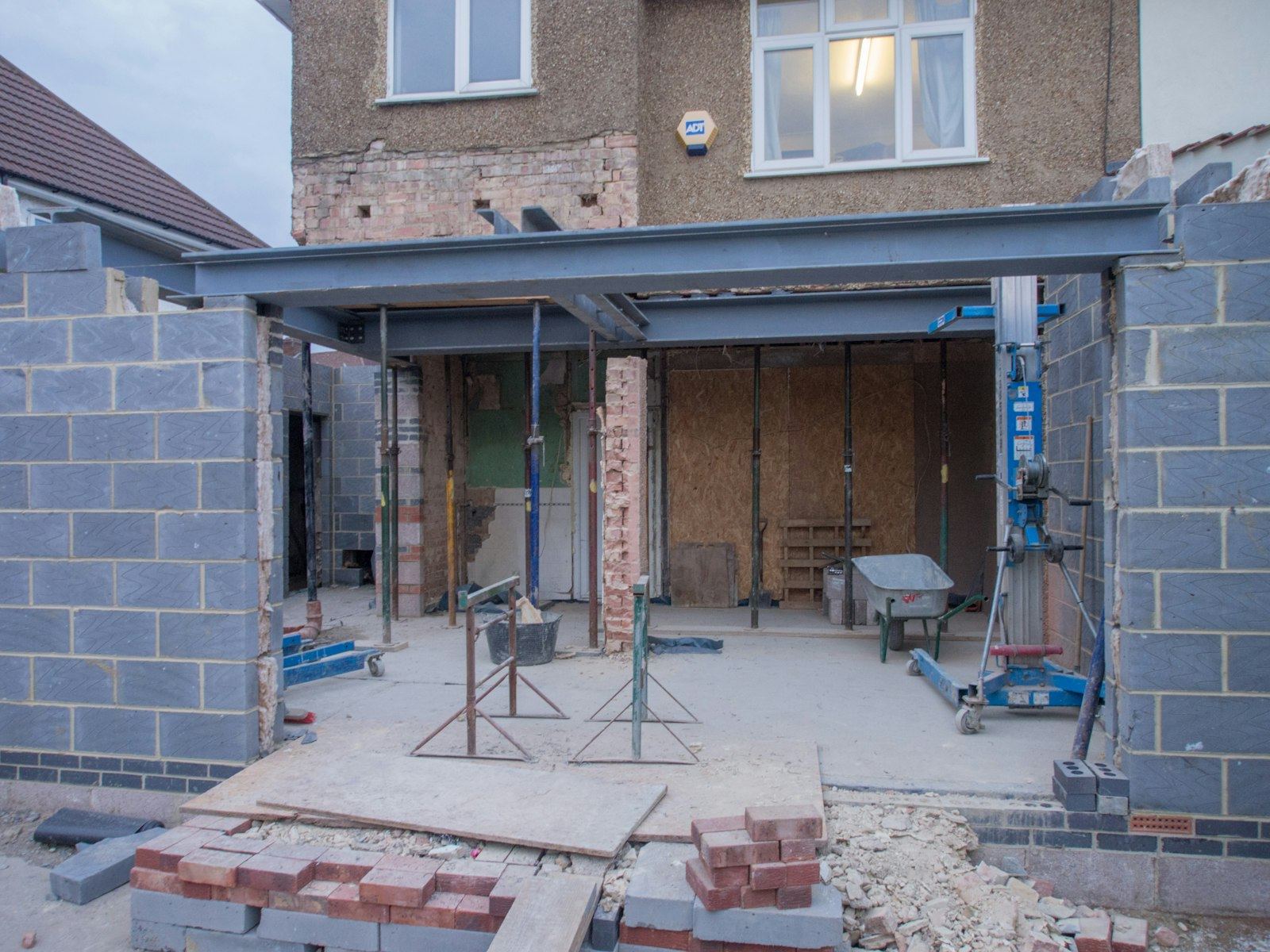
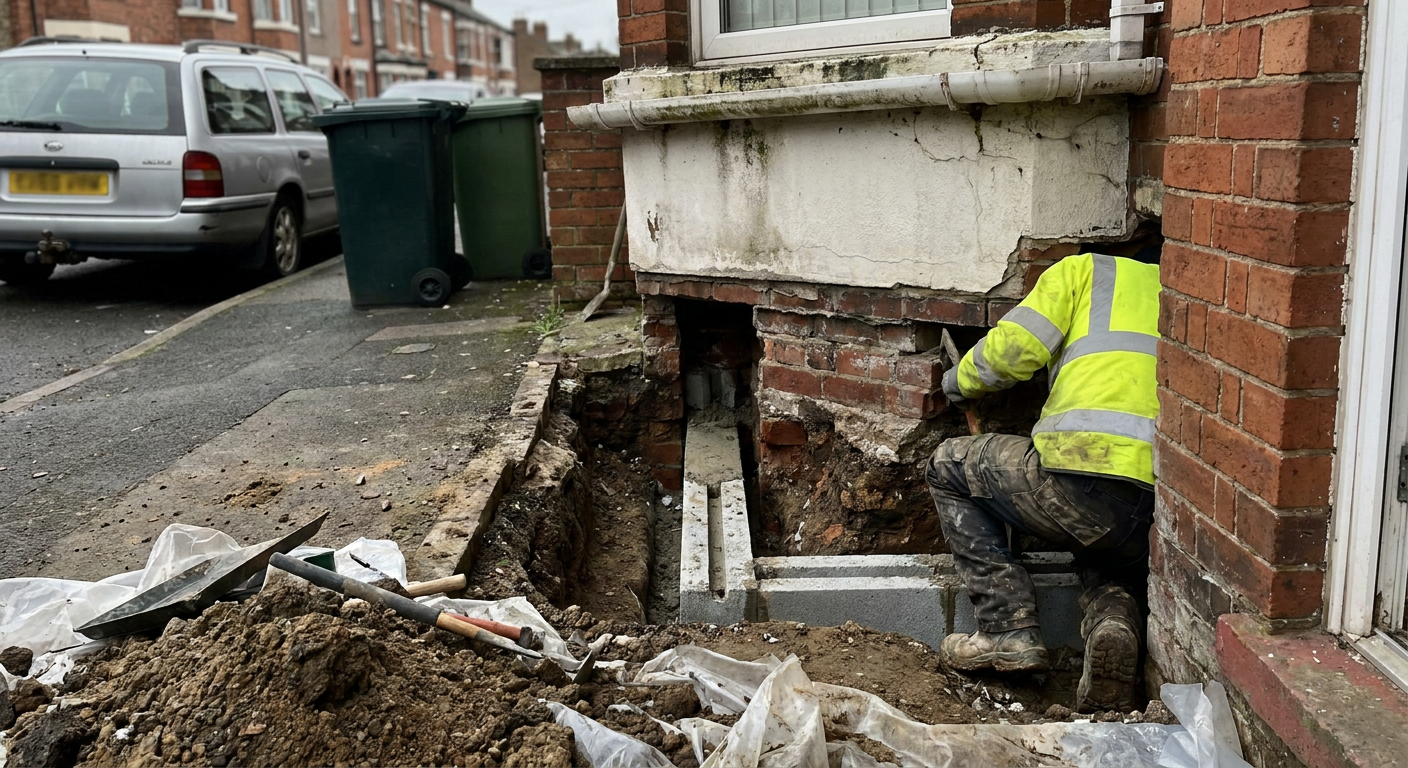
Why have cracks appeared in my walls at the end of summer?
Southampton sits on stretches of clay soil that react sharply to changes in moisture. During a long dry spell the ground loses water and contracts. The foundations settle slightly as the earth beneath them shrinks, and the rigid brickwork or plaster above has nowhere to go but to split.
This pattern is so common across Hampshire that many enquiries about wall cracks start in August or September, right after the driest weeks of the year. The heat draws moisture out of the subsoil faster than rain can replace it. Clay soil shrinkage cracks tend to open gradually through July and August, then stop widening once autumn rain arrives.
If you are wondering why these marks show up now rather than in spring, it is because the ground has reached its lowest moisture point. The movement is usually small, often fractions of a millimetre, but plaster is brittle enough to show it. A [subsidence survey](/subsidence-survey) establishes whether the movement is purely seasonal or part of a longer shift.
Is this clay shrinkage or is my house actually subsiding?
The difference between seasonal movement and true subsidence comes down to timing and direction. Shrinkage from summer heat causes cracks to open during dry months and close again when the ground rehydrates in winter. Subsidence means the foundation is sinking progressively, so the damage gets worse regardless of the weather.
A specialist firm will look at the shape of the crack, where it sits on the wall, and whether doors or windows have started sticking. Stepped cracking that follows mortar joints often points to foundation movement rather than simple thermal expansion. You can read more about the distinction between [subsidence and settlement](/sinking-and-settling/subsidence-or-settlement-southampton) to understand what each term means for your home.
Hampshire clay subsidence is a specific problem because the local geology holds and releases water unevenly. One side of a house may sit on firmer ground while the other drops. That differential movement is what causes visible damage, and it is why a professional assessment matters before anyone assumes the worst.
Should I wait and see whether the cracks close again in winter?
Waiting is sometimes the right move, but only if a specialist advises it. Seasonal cracks open and close with the moisture cycle, so filling them in September risks the repair cracking again by January. Many firms suggest watching the movement through a full wet and dry cycle before proposing permanent work.
That does not mean ignoring the problem. Recording the width and length of any new line gives the specialist something to compare against later. There is a straightforward method for [measuring a crack](/sinking-and-settling/how-to-measure-a-crack) using basic tools you already have at home.
If the crack is wider than a few millimetres, runs diagonally across a load-bearing wall, or is accompanied by jamming doors, waiting without advice is risky. Those signs suggest the movement may not reverse on its own. A [structural monitoring](/structural-monitoring) programme tracks the opening and closing over several months, giving hard data instead of guesswork.
How wide does a crack need to be before I should worry?
Hairline cracks under one millimetre are common in most homes and rarely indicate structural trouble. They often result from plaster drying out or minor thermal shifts. Knowing when to worry about cracks depends less on a single measurement and more on whether the gap is growing, where it sits, and what else has changed in the room.
A crack wider than five millimetres that appeared suddenly after a dry summer warrants attention. If it runs from a window corner down to the floor, or if you can see daylight through it, the movement is significant enough for a professional look. Specialists use categories to classify crack widths, and those categories determine whether simple [crack repair](/crack-repair) is enough or whether the ground itself needs stabilising.
Do not panic over a new hairline mark, but do not paint over a widening gap either. Document it with a date and a photograph. That record helps whoever assesses the home later to see the rate of change.
Do the trees in my garden have anything to do with the cracking?
Trees and large shrubs extract substantial volumes of water from the soil. On clay ground, a mature tree can dry out the earth several metres beyond its canopy. If the cracking is worst on the side of the house nearest to a large oak, willow or poplar, root activity is likely accelerating the shrinkage.
Removing a tree is not always the answer. Felling a large specimen suddenly allows the clay to swell as it reabsorbs water, which can cause heave and push the foundations upward. A specialist will consider the species, its distance from the wall, and the depth of the footings before recommending any action near roots. Understanding how [tree roots affect subsidence](/sinking-and-settling/tree-roots-and-subsidence) helps avoid making the problem worse by acting too quickly.
In Southampton, where gardens often back onto older tree-lined roads, this interaction between vegetation and clay is a frequent factor in late-summer enquiries.
Why would a specialist suggest monitoring through a whole year?
Clay moves slowly. A single visit in September captures the house at its driest, but tells the specialist nothing about how much it recovers when the rains return. Monitoring through a full year reveals whether the movement is cyclical or progressive.
Small gauges fixed across a crack record tiny changes in width. Over twelve months those readings build a graph showing exactly when the gap opens, when it closes, and whether it returns to its original size. Without that data, any repair is a guess. With it, the specialist knows whether the home needs [mass concrete underpinning](/mass-concrete-underpinning), deeper [mini piled foundations](/mini-piled-underpinning), or simply a flexible filler and patience.
Insurers also rely on this evidence. Most policies require proof that movement is ongoing before they authorise major ground works. A monitoring report provides that proof and prevents unnecessary excavation.
What the signs in your walls might mean
The same visible crack can have different causes depending on its shape, position and the time of year it appeared. These common signs point toward different explanations.
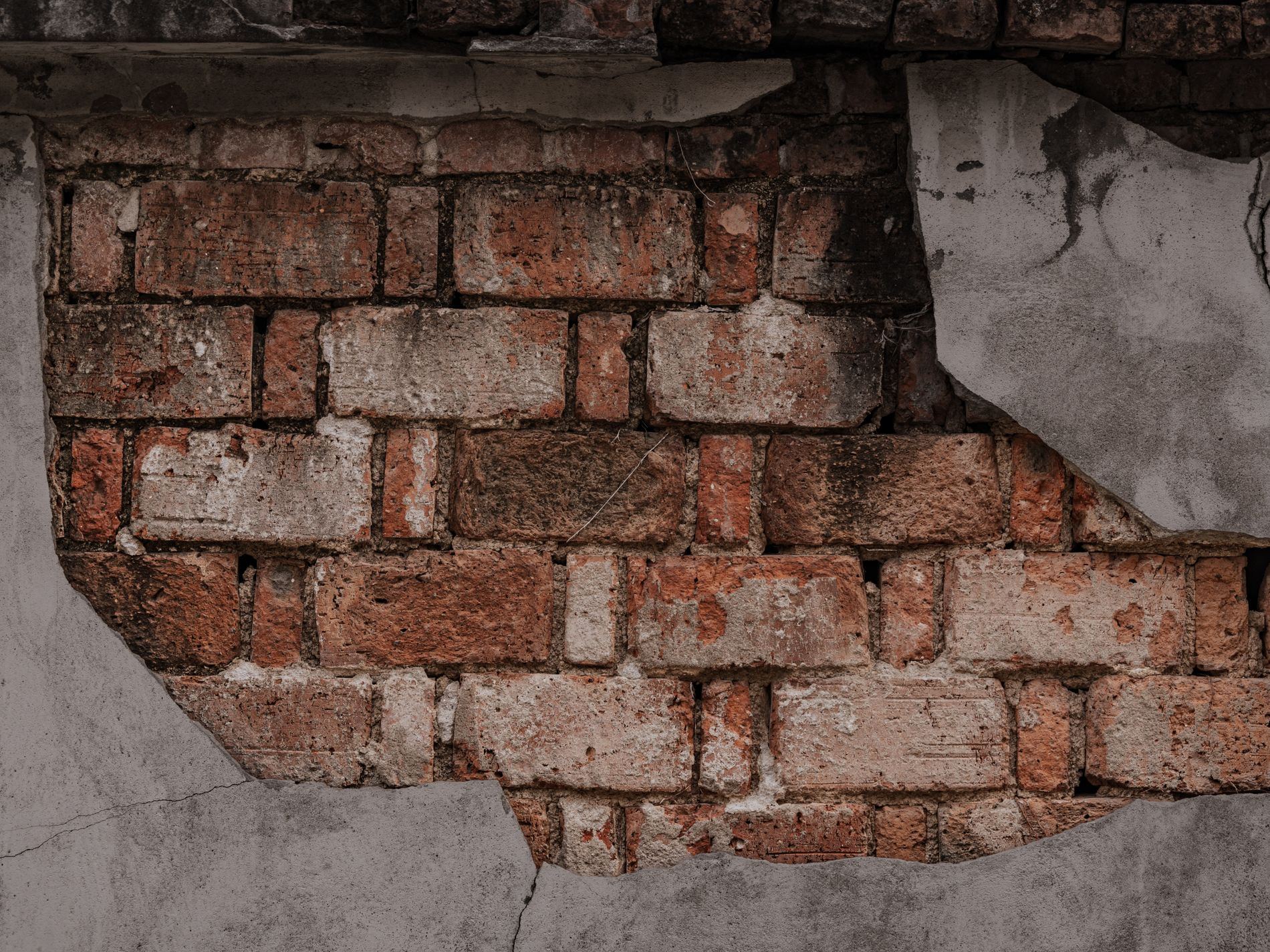
- Thin crack near a window after hot weather
- Seasonal clay shrinkage often causes hairline cracks after a dry summer. Measuring the width regularly through winter shows whether the crack closes naturally as moisture returns or keeps widening, which would point to ongoing movement.
- Diagonal stepped crack in exterior brickwork
- Wider cracks that stay open through winter suggest differential foundation movement rather than seasonal drying. A subsidence survey determines whether the ground beneath the home is still shifting and what repair method fits.
- Doors sticking only in late summer
- Frames distort when walls move out of alignment. Checking whether doors and windows stick less in winter reveals if the shift reverses with returning moisture or if the distortion has become permanent.
- Gap wider than five millimetres indoors
- A crack wider than a few millimetres warrants professional assessment by a structural specialist. Recording the exact width at several points along its length helps track any further change over the coming months.
What happens after you spot a crack
01
Record the damage
Note the date, measure the width, and take clear photographs so the specialist has a starting point for comparison.
02
Send an enquiry
Describe what you have seen. The details help route your question to a firm experienced with local clay conditions.
03
Specialist visits the home
A surveyor examines the walls, checks the ground type, and decides whether immediate action or monitoring is appropriate.
04
Monitoring period begins
Gauges track the crack through wet and dry months, building evidence of whether the movement is seasonal or progressive.
05
Repair plan agreed
Once the data is clear, the specialist recommends the right fix, from simple filling to underpinning the foundations.
Ask about the cracks in your home
Send a description of what you have noticed. It goes to a specialist who handles ground movement in Southampton, and asking does not commit you to any work or cost.
- No obligation to proceed
- Local clay experience
- Clear next steps