How it works
How underpinning works, from survey to repair
A look at how Underpinning Southampton handles your message, what the specialist firm does next, and what you receive before any work on your home begins.
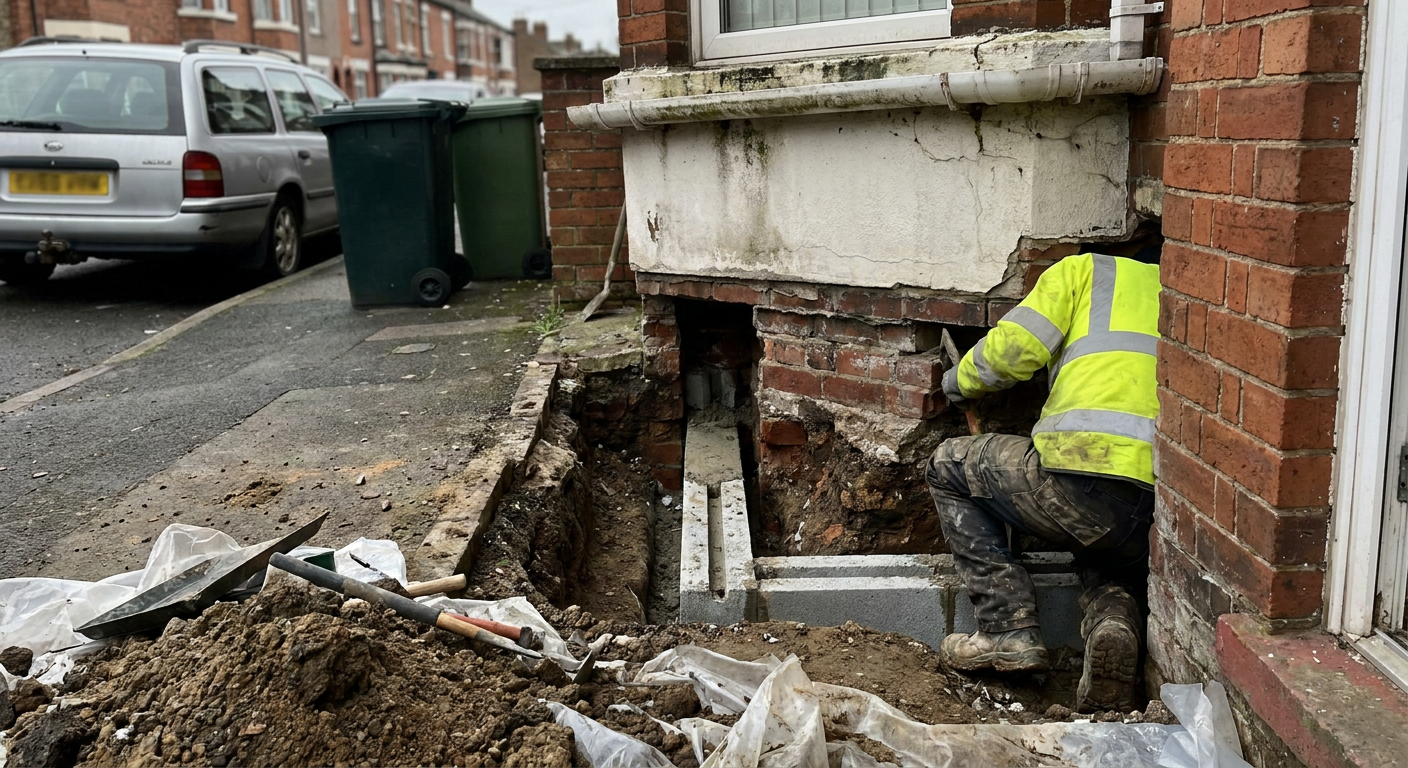
What shapes the cost of foundation work
Every home sits on different ground, so the method a specialist uses changes from job to job. That is why no two foundations cost the same to stabilise.
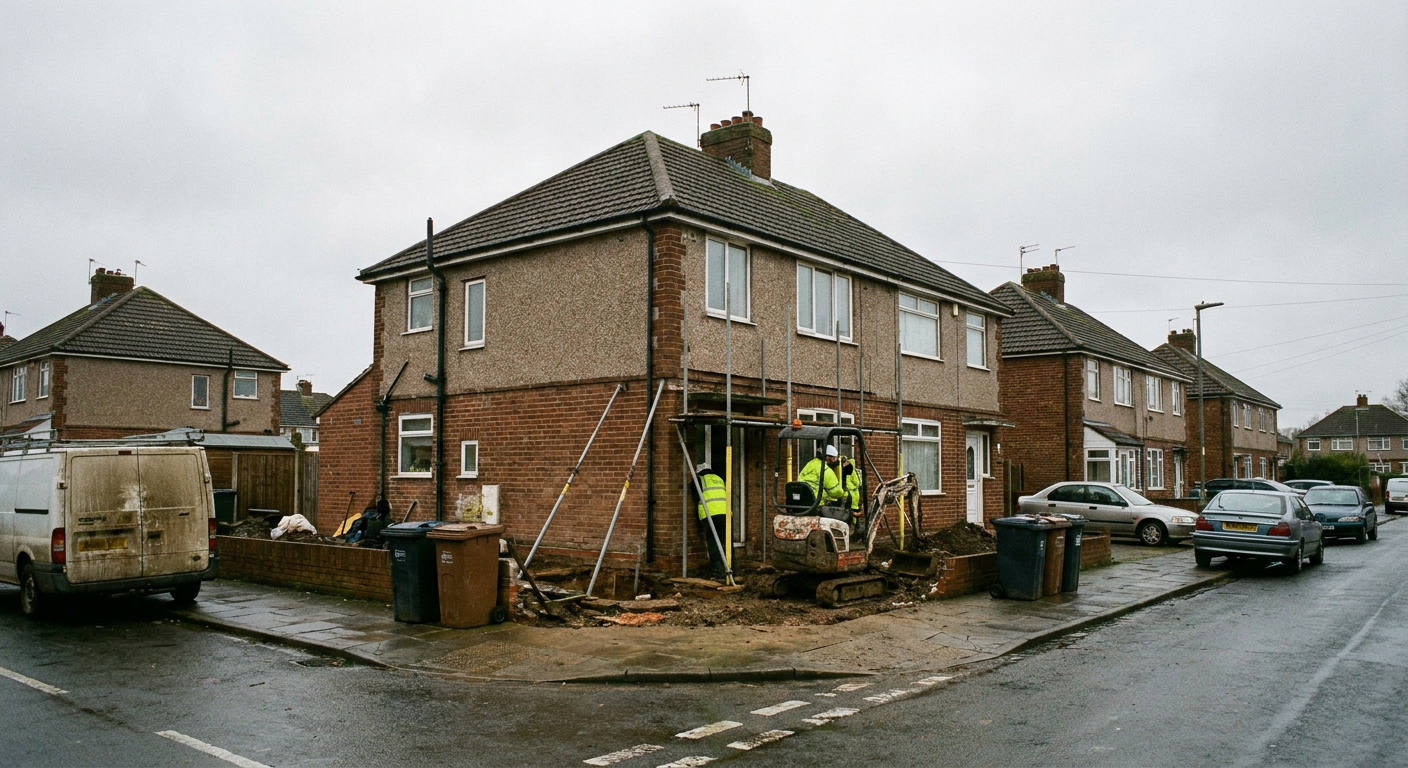
- Ground conditions
- Clay, sand or chalk each behave differently under load, which determines whether mass concrete or mini piled underpinning is needed.
- Depth of stable soil
- The specialist must reach strata that will not move, and deeper trenches mean more excavation and materials.
- Access around the home
- Narrow side returns or restricted gardens limit the machinery a contractor can use, adding time to the work.
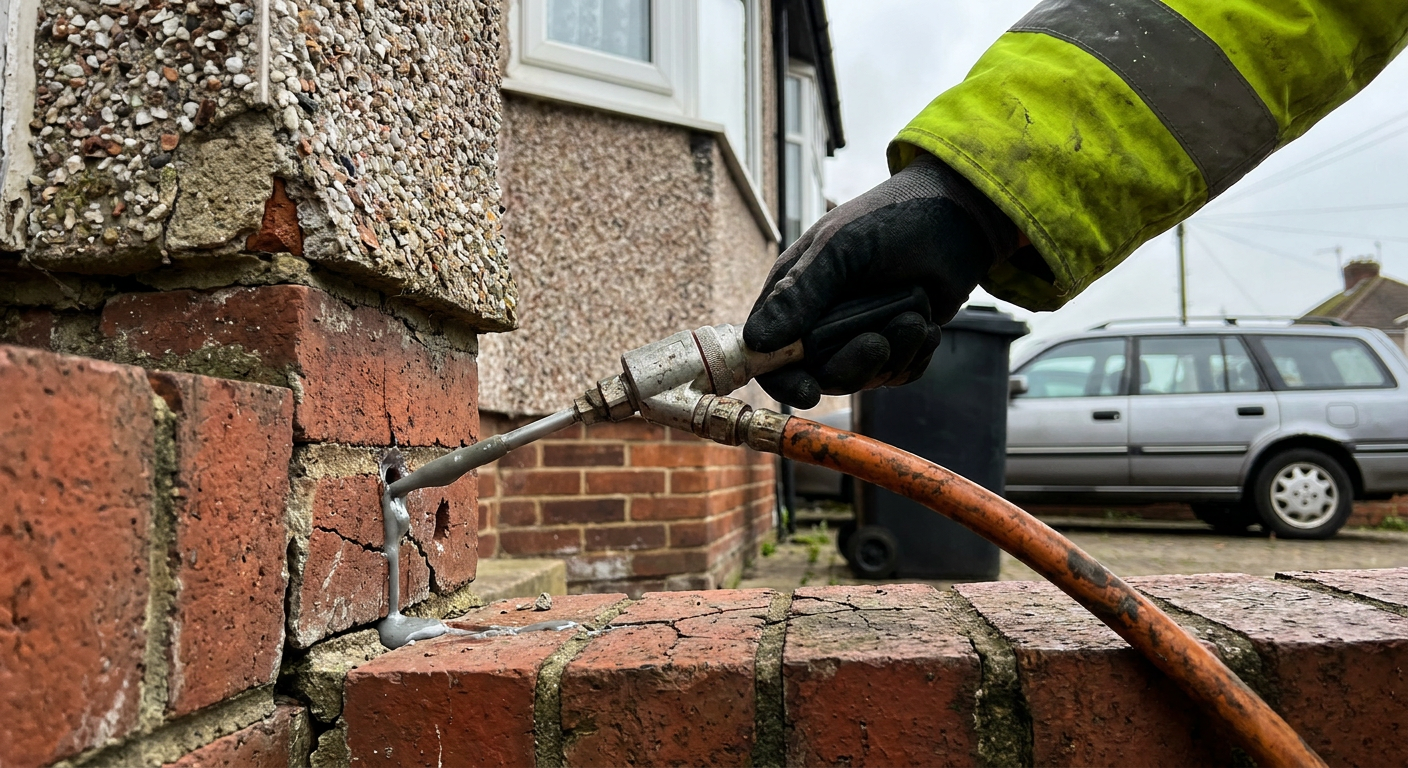
- Method chosen
- Resin injection requires different equipment and preparation than traditional mass concrete underpinning, altering the scope of the job.
The specialist explains the full cost of your particular job before anything is agreed.
What you receive after the survey
A subsidence survey produces a written record of what is happening to your home. The specialist documents the evidence, judges the cause, and sets out the necessary steps.
- Written report
- A document describing the movement found, its likely cause, and the recommended repair method for your home.
- Crack map
- A diagram showing where cracks appear, their width, and whether they are active or old.
- Scope of works
- A clear list of the tasks the contractor will carry out, so you know exactly what the job involves.
Questions people ask before getting in touch
These are the things homeowners in Southampton usually want to know before they describe the problem with their house.
- Do I have to pay for advice?
- Sending an enquiry about your home costs nothing. If a site visit or a subsidence survey is needed, the specialist will explain any charges before booking.
- Can I stay in my home?
- Many repairs allow you to remain inside. The specialist firm will tell you if the scale of the work means you need to leave temporarily.
- Will insurance cover it?
- Buildings insurance often covers subsidence damage. The specialist can advise on what your policy typically includes before you speak to your insurer.
- How long does the work take?
- A small crack repair might take days. Foundation repair involving underpinning a whole wall takes longer, depending on the ground beneath your home.
- Do I need a party wall agreement?
- If your home shares a wall with a neighbour, a party wall agreement is usually required before structural work begins next door.
Tell us what you have noticed
Send a description of the problem with your home. A specialist firm reviews the details and replies with the appropriate next step. This does not commit you to any work or payment.
- No obligation
- Local specialists
- Clear next steps