Foundation repair
Foundation repair in Southampton for cracked walls
Find out what foundation repair in Southampton involves, from localised pinning to drainage correction. Learn how a specialist narrows down the right method for your home and what happens before any ground is broken.
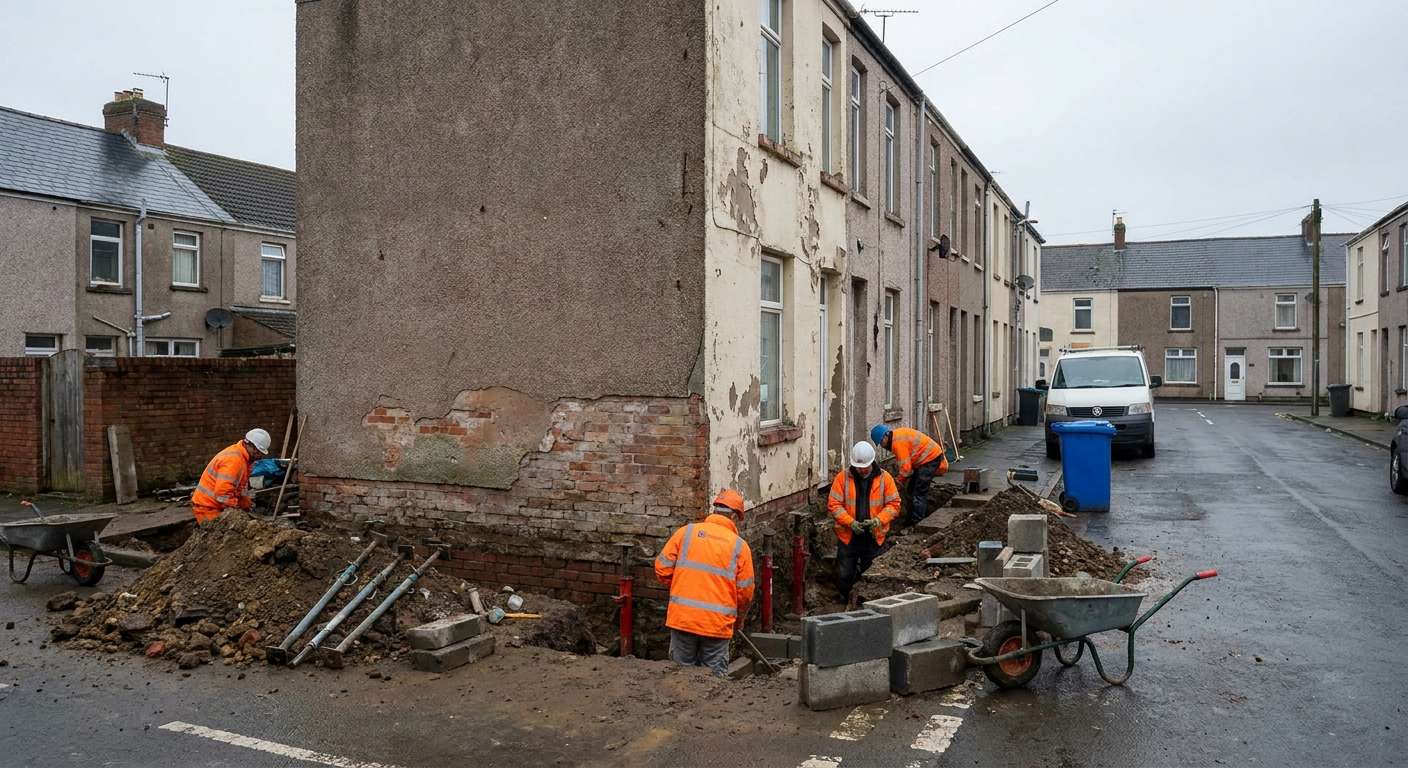
What the signs around your home mean
A crack or a sticking door can point to several different problems beneath the floor. The same symptom has different causes depending on soil type, drainage and the age of the building.
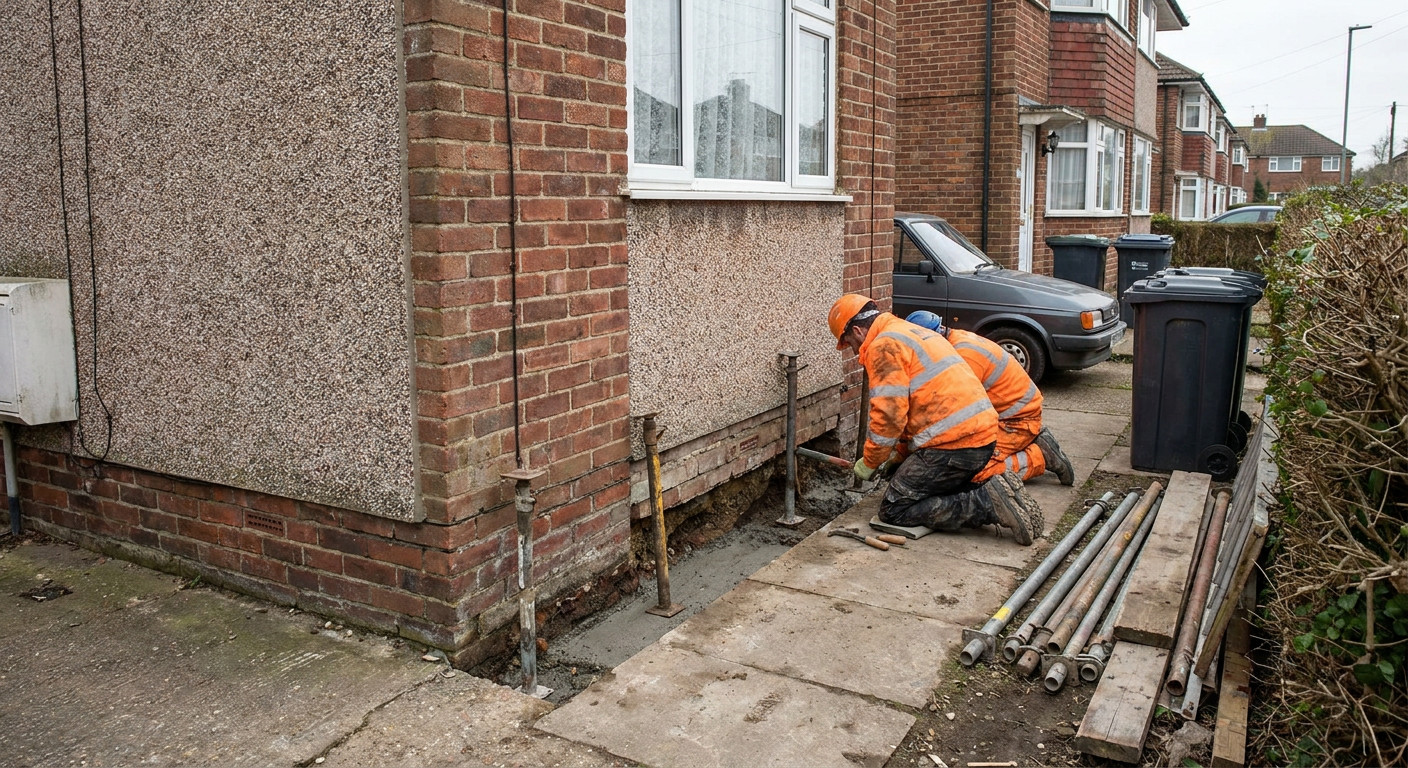
- Diagonal cracks near window corners
- Often points to shallow movement in clay soils after a dry spell. A subsidence survey confirms whether the movement is active or historic.
- Doors catching on the frame
- Usually means one part of the house has dropped slightly relative to another. Measuring the gap over time shows if it is still moving.
- Damp patches along skirting boards
- Can indicate a leaking drain washing soil away from the footing. A camera survey of the pipes rules this out before structural work begins.
- Gaps opening between wall and ceiling
- Suggests the wall is tilting outward or the floor joists are deflecting. Monitoring pins establish the direction and rate of movement.
How the right repair is chosen
- 1
Subsidence survey
A specialist visits the home to map cracks, check levels and identify the likely cause of movement in the foundations.
- 2
Trial hole investigation
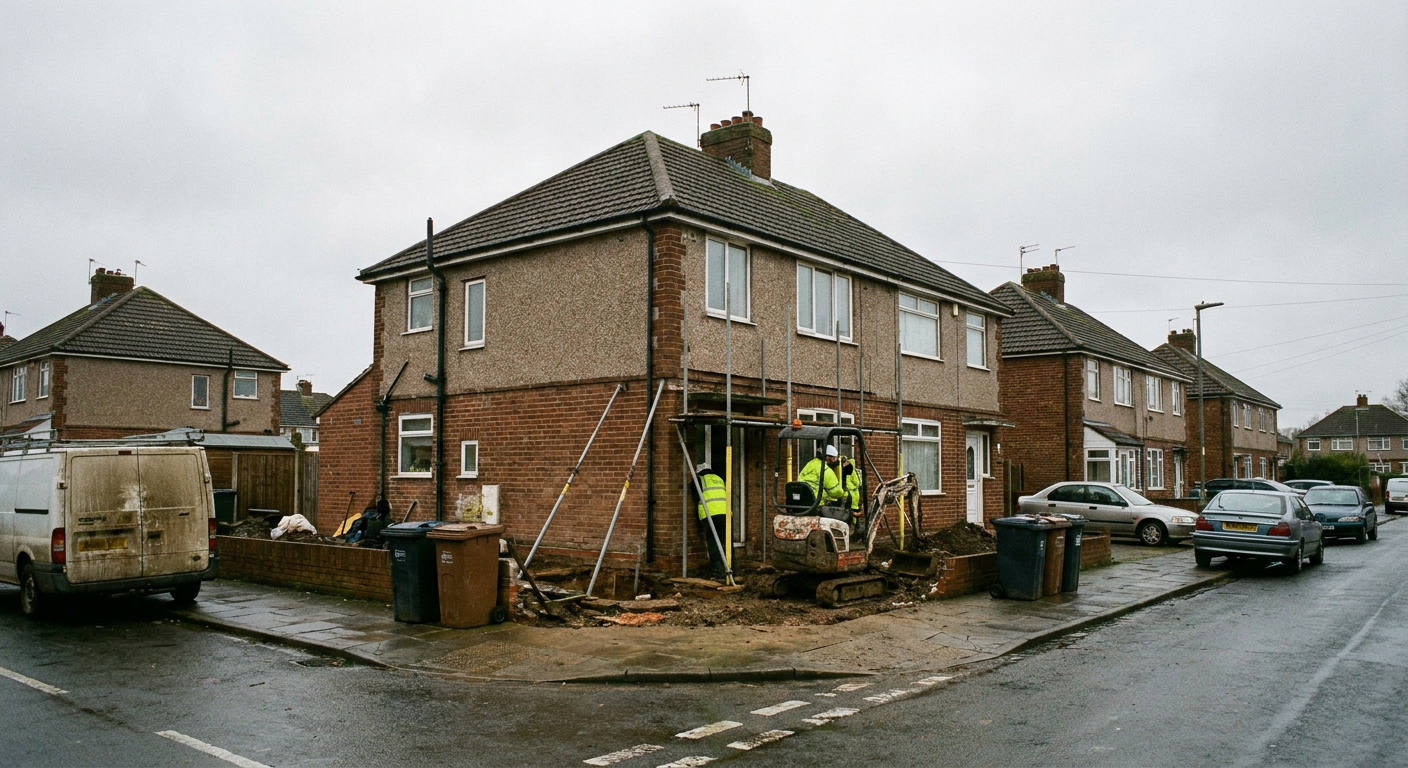
Small excavations beside the footing expose the soil and concrete so the specialist firm can see exactly what lies beneath.
- 3
Drainage test
If water is suspected, the drains are pressure tested to find leaks that might be washing support away from the base.
- 4
Written report and plan
The findings go into a report specifying the exact repair method, which the homeowner can share with an insurer or lender.
Repairs short of full underpinning
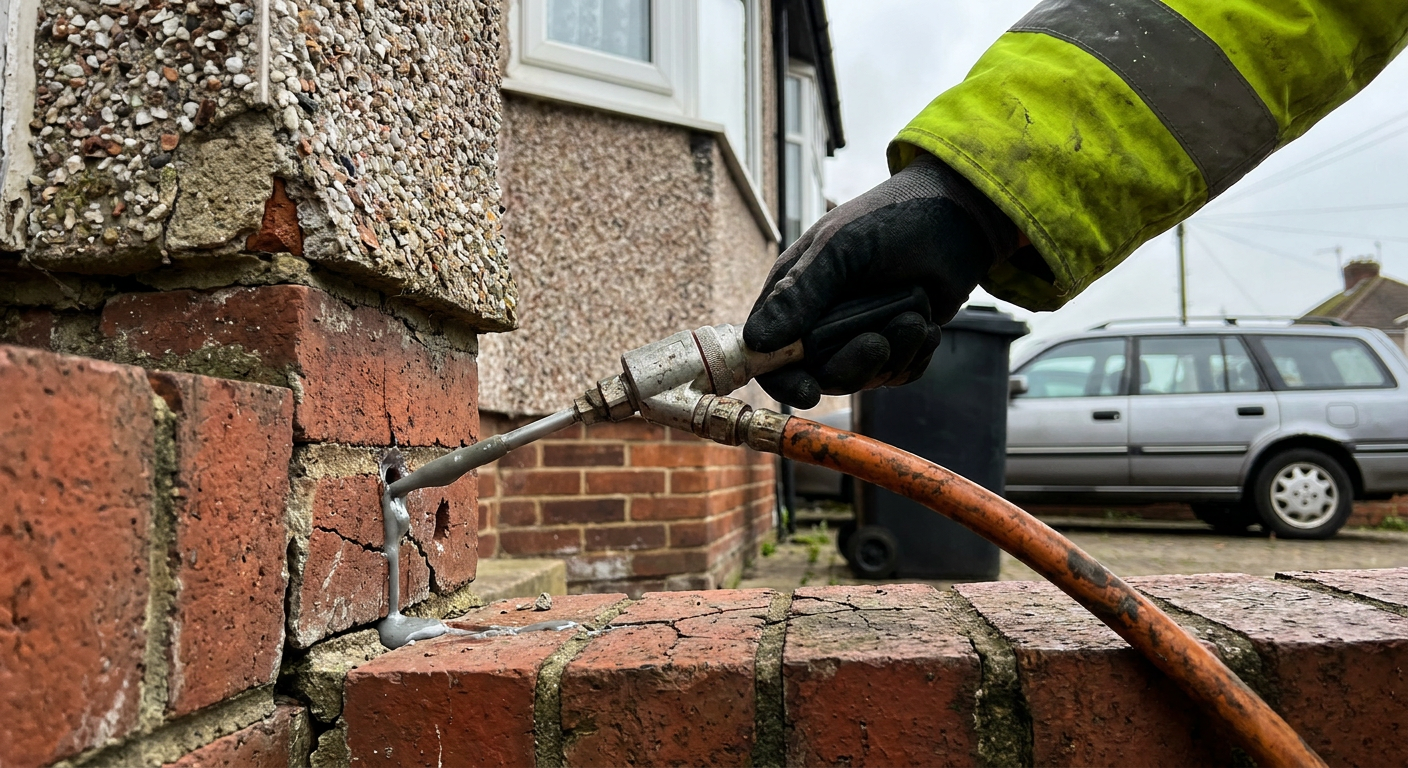
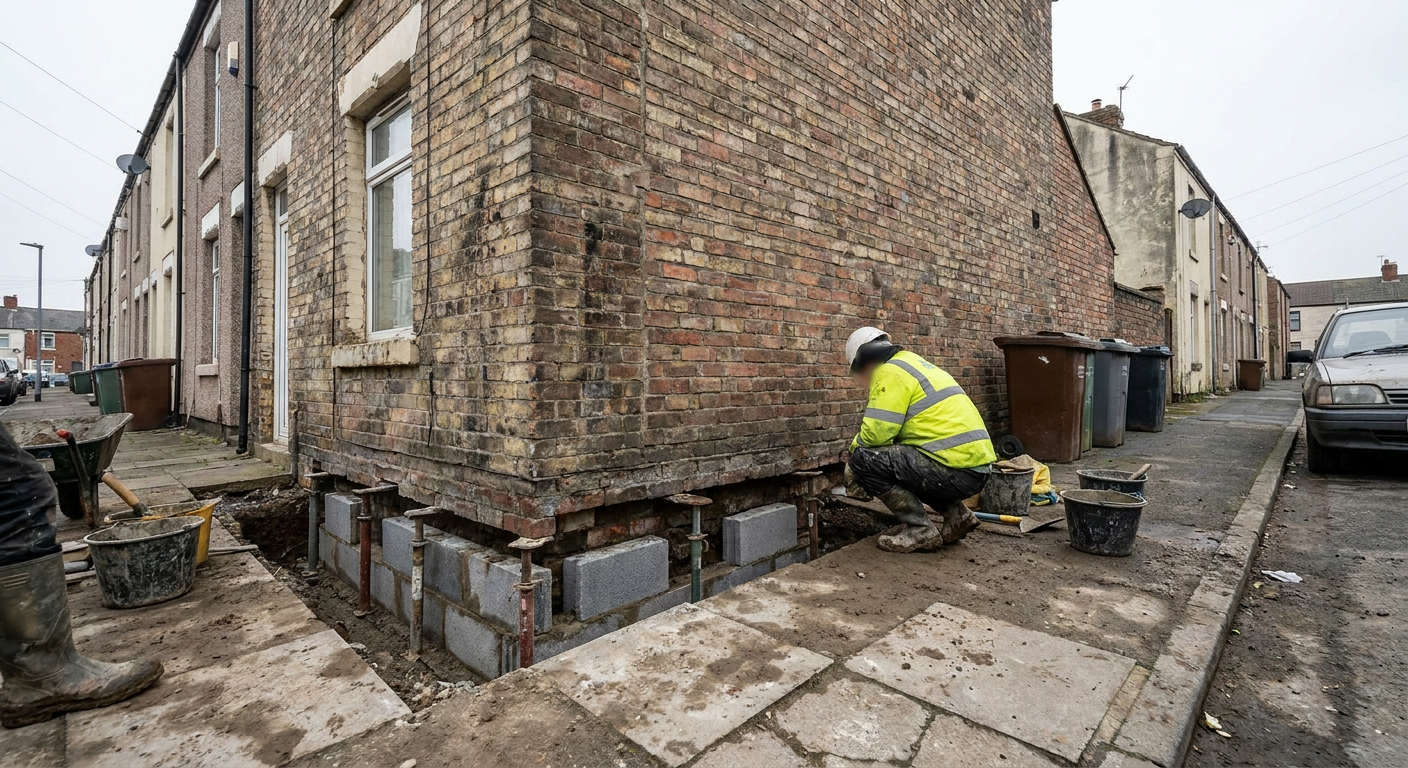
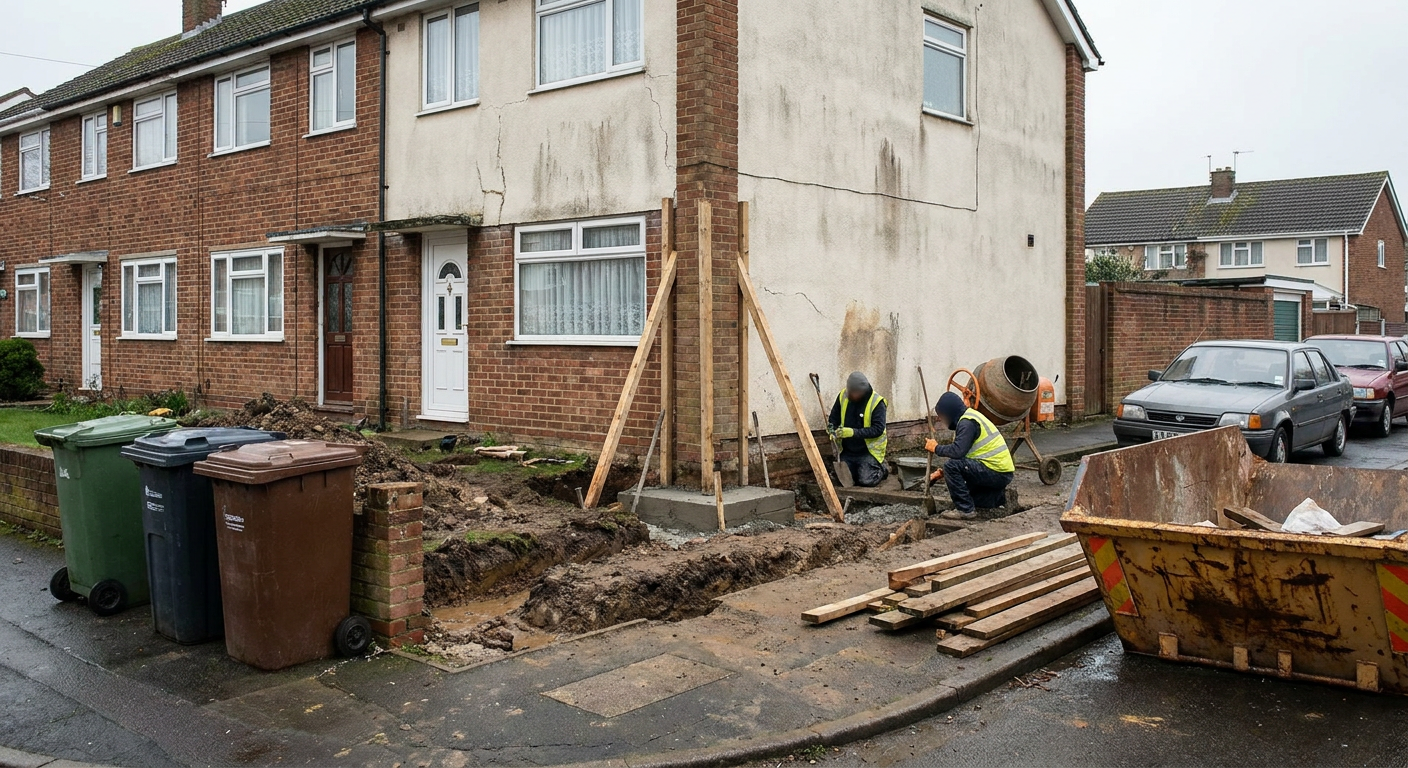
Resin injection
Expanding resin is pumped beneath the footing to fill voids and compact loose soil. It suits homes where access for heavy plant is limited. Read about [resin injection in Southampton](/resin-injection-southampton).
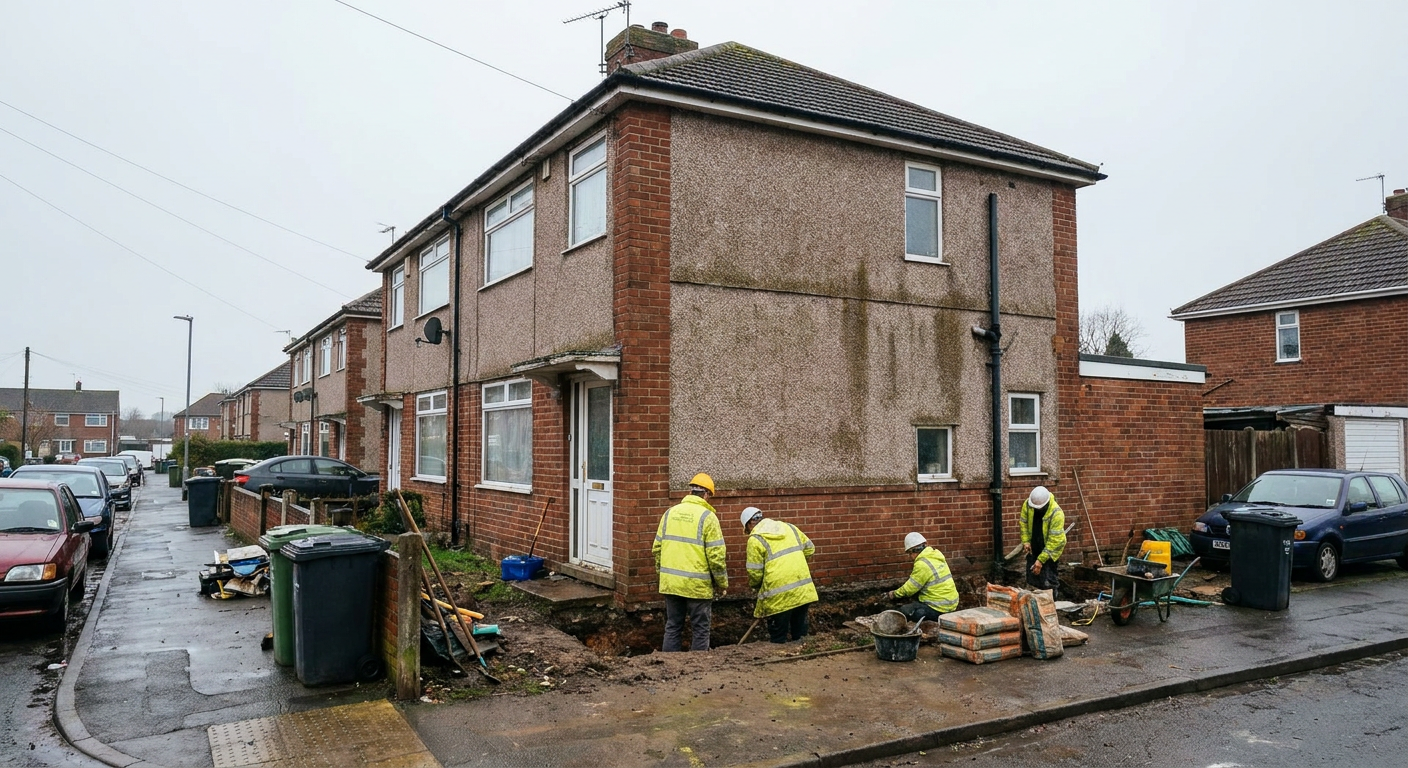
Crack stitching and repair
Helical bars are bonded across fractures in brickwork to restore strength without rebuilding the wall. This handles localised damage once the ground is stable. See [crack repair](/crack-repair) options.
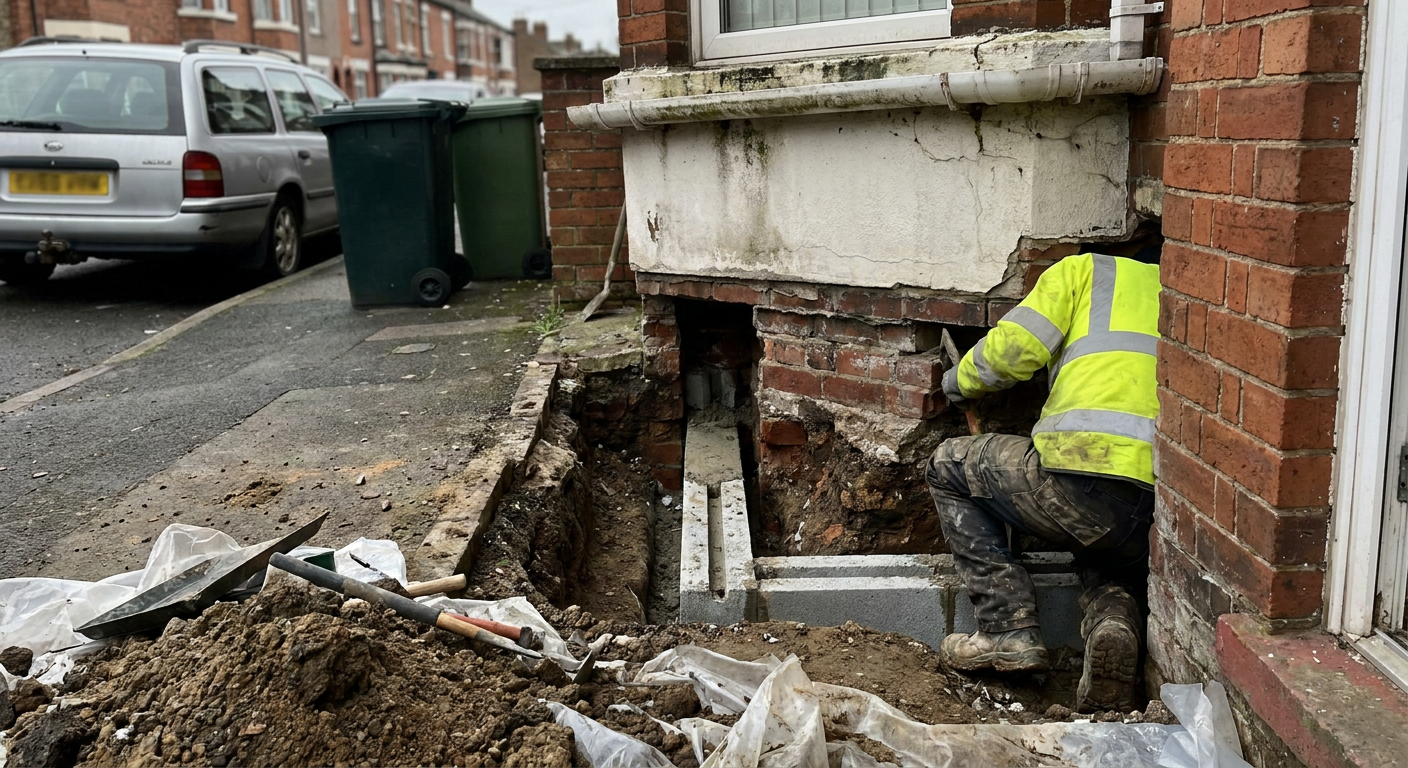
Drain correction
Replacing a fractured pipe stops water eroding the subsoil. Sometimes fixing the drain alone halts further movement, avoiding structural work entirely.

Structural monitoring
Pins and gauges track movement over months to prove whether a problem is active or settled. Find out how [structural monitoring](/structural-monitoring) works.
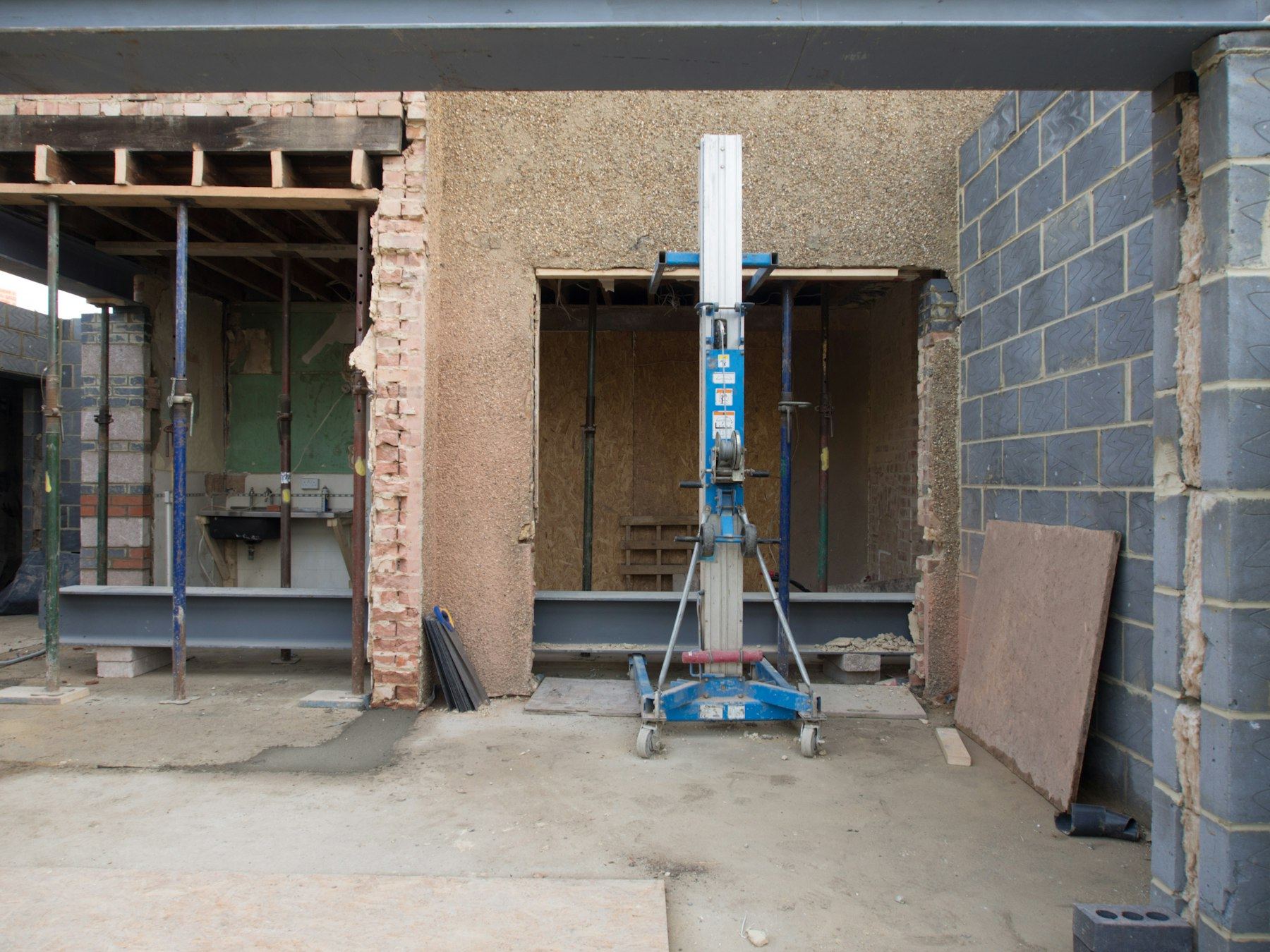
Localised pinning
Where only one corner has dropped, a single small pier may be enough to carry the load. This avoids digging up the whole perimeter.
Questions about foundation repairs
- Underpinning or a smaller fix?
- A subsidence survey determines this. The specialist checks soil conditions and movement history to decide if full underpinning or a targeted repair is needed.
- Could a leaking drain be the cause?
- Yes. A broken pipe washing soil from under the footing is a common reason for foundation problems in an old Hampshire house. Drain testing finds out.
- Price range for the work
- Costs vary with depth, access and method. Resin injection is typically cheaper than mass concrete. The factors affecting underpinning cost explain what drives the price.
- Time and garden disruption
- The disruption depends on the method. A trial hole foundation investigation means digging a small pit beside the wall so the specialist can examine the footing, then backfilling it. Resin injection disturbs less ground than mass concrete underpinning.
- Written reports and guarantees
- The specialist firm provides a detailed report suitable for insurers and mortgage lenders. Completed structural repairs to a Southampton house carry a written guarantee.
Areas covered for foundation repair
Enquiries are taken for homes across Southampton and the surrounding towns. The specialist firms handling the ground travel throughout the area to carry out surveys and repairs.
If your street is not listed, send an enquiry anyway. Coverage extends beyond these named places.
Ask about your home's foundations
Send details of what you have noticed. The information goes directly to a specialist firm who will respond with next steps. There is no obligation to proceed with any work they suggest.
- No obligation to proceed
- Direct to a specialist firm
- Response within working days