Subsidence advice
Signs of subsidence in a Southampton home
Find out what to look for when walls crack or doors stick, who to call about house movement, and how a specialist firm handles the first visit to your Southampton home.

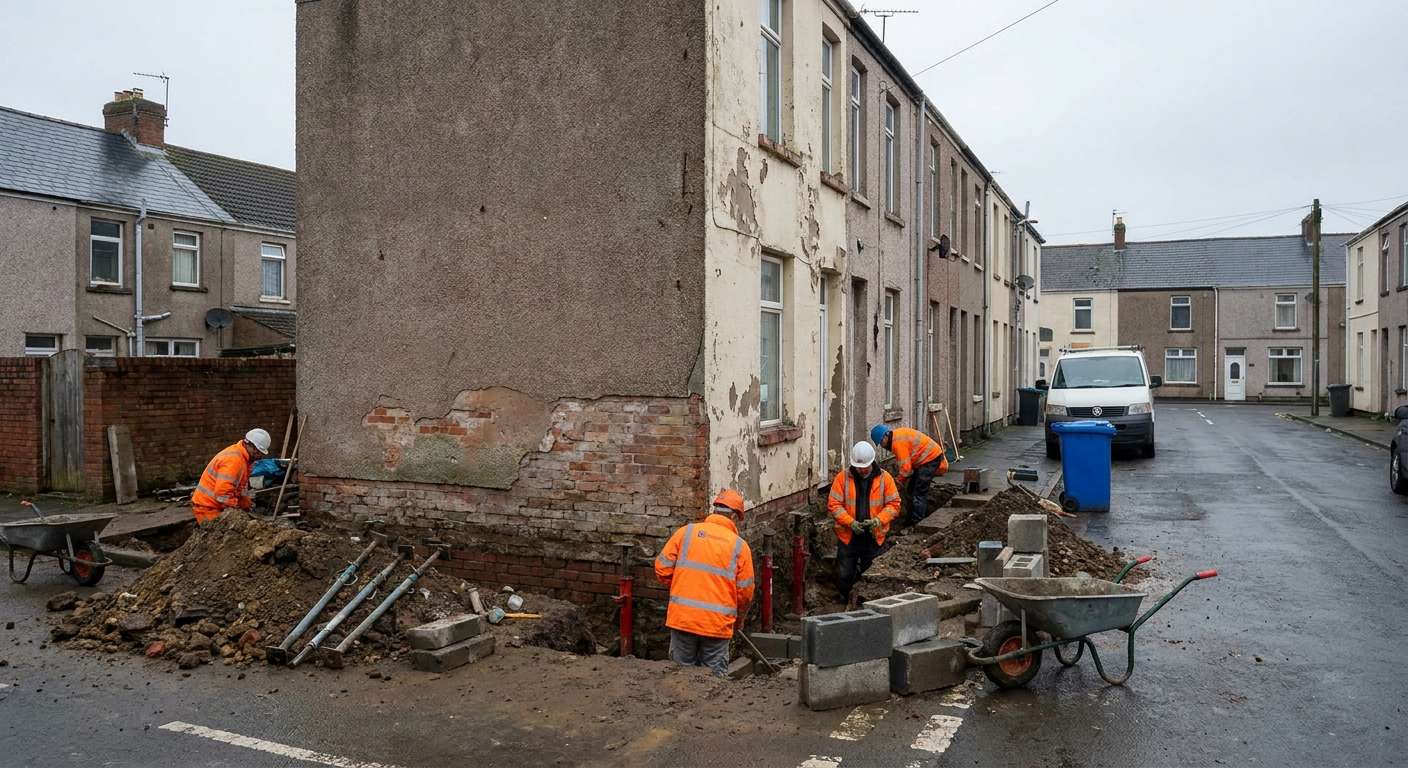
What early subsidence warning signs mean for your home
A new crack in plaster or brickwork is easy to spot, but harder to judge. Early subsidence warning signs often appear after a dry summer, when clay soils shrink beneath foundations. In Southampton, where parts of the city sit on river gravels and others on firmer chalk, ground behaviour varies street by street.
The most common thing people notice first is a diagonal crack tapering from a window corner or door frame. Hairline cracks are normal in any building as materials expand and contract with temperature. Wider gaps, especially those that grow over weeks, need attention. Recording cracks in walls helps track whether movement is active or historic.
Sticking doors cracked walls cause frequent worry because they happen together. When a foundation shifts, frames distort. A door that used to swing freely starts catching on its frame, and windows jam shut. These symptoms do not always mean underpinning is required. Sometimes seasonal moisture changes reverse them. But if the sticking persists through winter rains, the ground may still be moving. A subsidence survey in Southampton establishes whether the problem is ongoing.
Who to call and when to make contact
People often ask how quickly they should get someone out to look. If a crack has appeared suddenly and is wider than a few millimetres, or if several doors begin sticking at once, arranging a visit within days makes sense. Smaller, older cracks can wait, but marking their ends with a pencil and dating them gives useful information later.
Another common question is whether to contact a specialist firm or the insurer first. Insurers usually want evidence before opening a claim. Getting subsidence advice in Hampshire from a local firm means you arrive at that conversation with facts rather than guesses. The specialist can assess the damage, identify likely causes such as tree roots or leaking drains, and recommend next steps.
If you are selling your home, buyers will ask about any visible movement. Having a written report from a recognised firm answers those questions directly and prevents a sale from stalling.
What happens during the first site visit
A site visit begins with the specialist walking around the outside and inside of the home. They note where cracks appear, measure their width, and check whether doors and windows sit square in their frames. They also look at external factors: nearby trees, drain runs, and the type of soil visible in garden beds.
Visitors often ask how long this takes. For a standard terraced or semi-detached house in Southampton, the inspection usually lasts between one and two hours. Larger homes or properties with complex extensions take longer.
Another frequent question is whether there is a charge for the initial inspection. Policies vary between firms. Some include it as part of a broader assessment; others apply a fee that goes toward later work. It is worth asking before booking so there are no surprises.
After the visit, the specialist produces a written report. This document describes what was found, explains whether the movement appears active or historic, and sets out options. Those options might range from monitoring the cracks over several months to commissioning structural repairs.
Written reports and what they are used for
A clear written record matters. Homeowners frequently ask whether they will receive something they can pass to their insurer or a prospective buyer. The answer is yes. The report from a subsidence survey in Southampton details the findings in plain language, supported by measurements and photographs taken on site.
Insurers rely on these documents to decide whether a claim is valid. Buyers and their solicitors read them to understand what work has been done or what remains outstanding. Without written evidence, conversations about house movement stall quickly.
The report also specifies which repair method suits the ground conditions. On soft alluvial soils near the River Test, mini piled underpinning in Southampton may reach stable strata that mass concrete cannot. In areas with firmer ground, resin injection in Southampton can stabilise shallow voids without excavation. The choice depends entirely on what the survey reveals.
Where in Southampton help is available
Underpinning Southampton takes enquiries from across the city and its surrounding towns. The specialist firms handling the work cover every district, from Bassett and Chilworth in the north to Sholing and Thornhill in the east.
Homeowners in Totton, Hedge End, Hamble-le-Rice, Rownhams, Nursling, Redbridge and West End all fall within the area served. Each neighbourhood sits on slightly different geology, which affects how foundations behave. Clay-heavy patches near the river respond differently to drought than chalk-based streets further inland.
Because the territory is well defined, the specialists know local drainage patterns, typical construction eras and the trees most likely to extract moisture from the subsoil. That familiarity shortens the time between noticing a problem and understanding its cause.
Is my house sinking or just settling?
Ground movement shows itself through the fabric of a building. Cracks open, frames twist and floors slope. Spotting these changes early means the cause can be identified before damage spreads further.
- 1
Diagonal cracks near openings
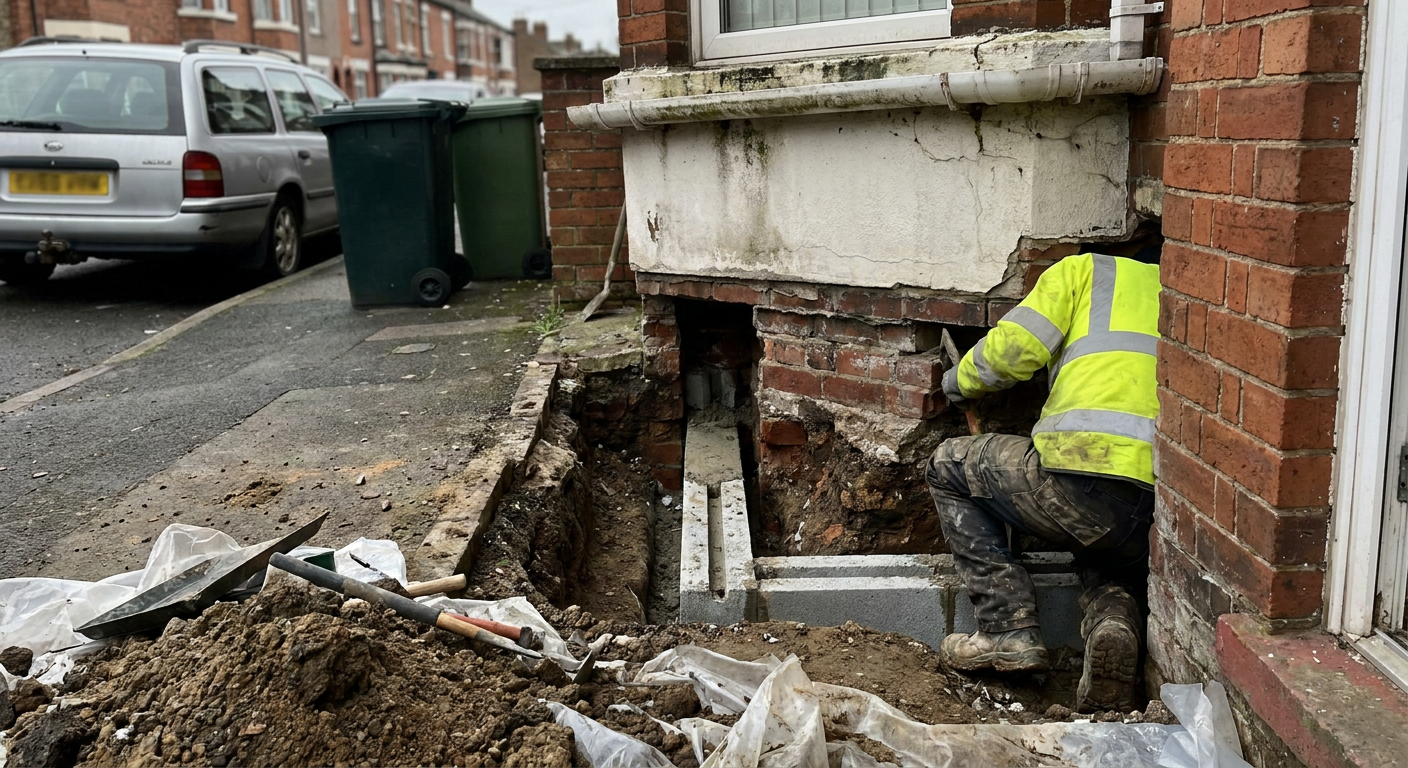
Tapering cracks running from window corners or door frames often indicate differential movement in the wall behind them.
- 2
Doors catching on frames
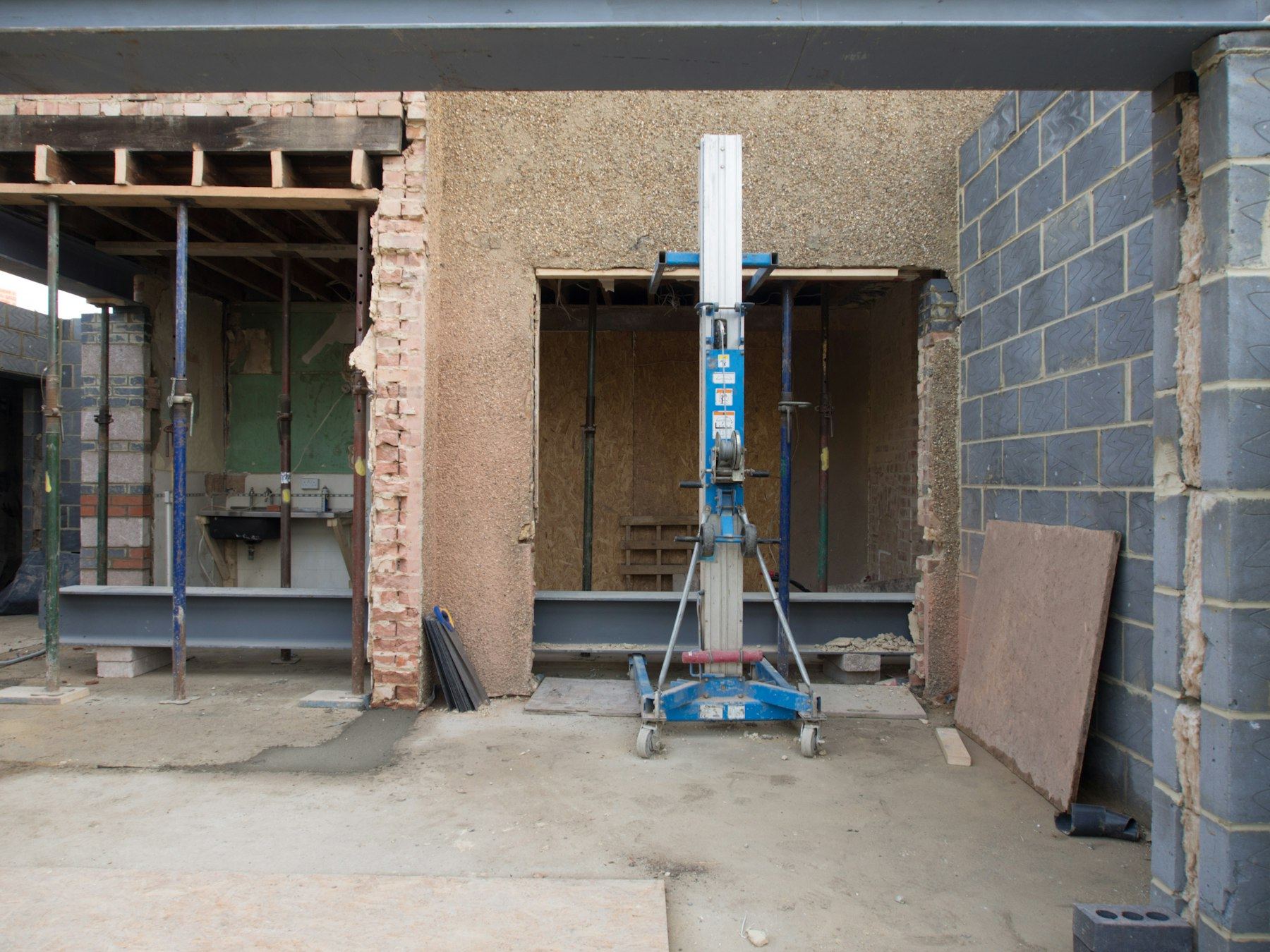
A door that sticks at the top or bottom suggests the frame has distorted, possibly because the foundation beneath it has shifted.
- 3
Gaps around skirting boards
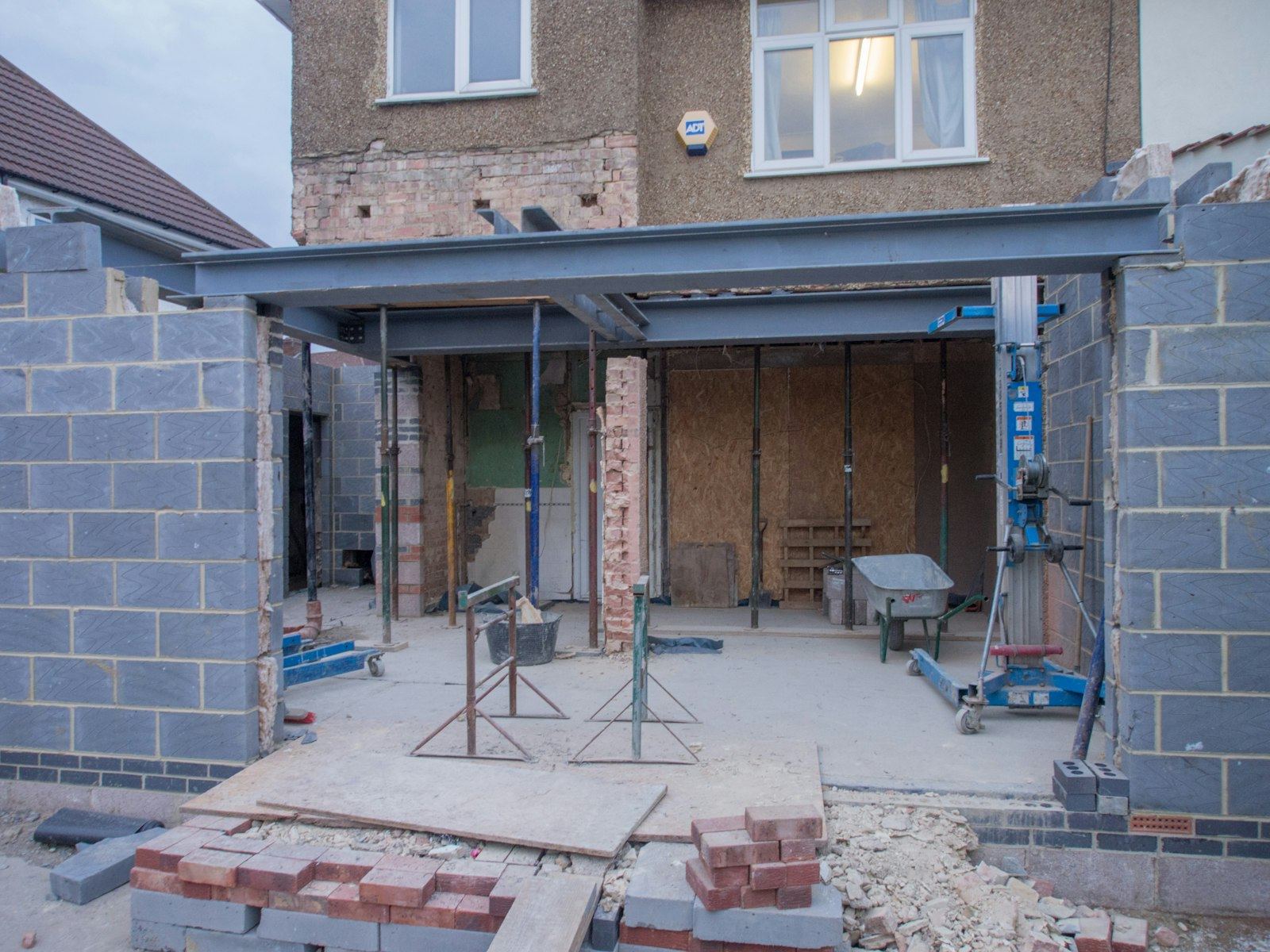
Visible spaces between the skirting and the floor can mean the floor has dropped or the wall has lifted away from it.
- 4
Cracks wider than 3mm
Hairline cracks are common in older homes, but gaps you can fit a coin into warrant closer attention from a specialist.
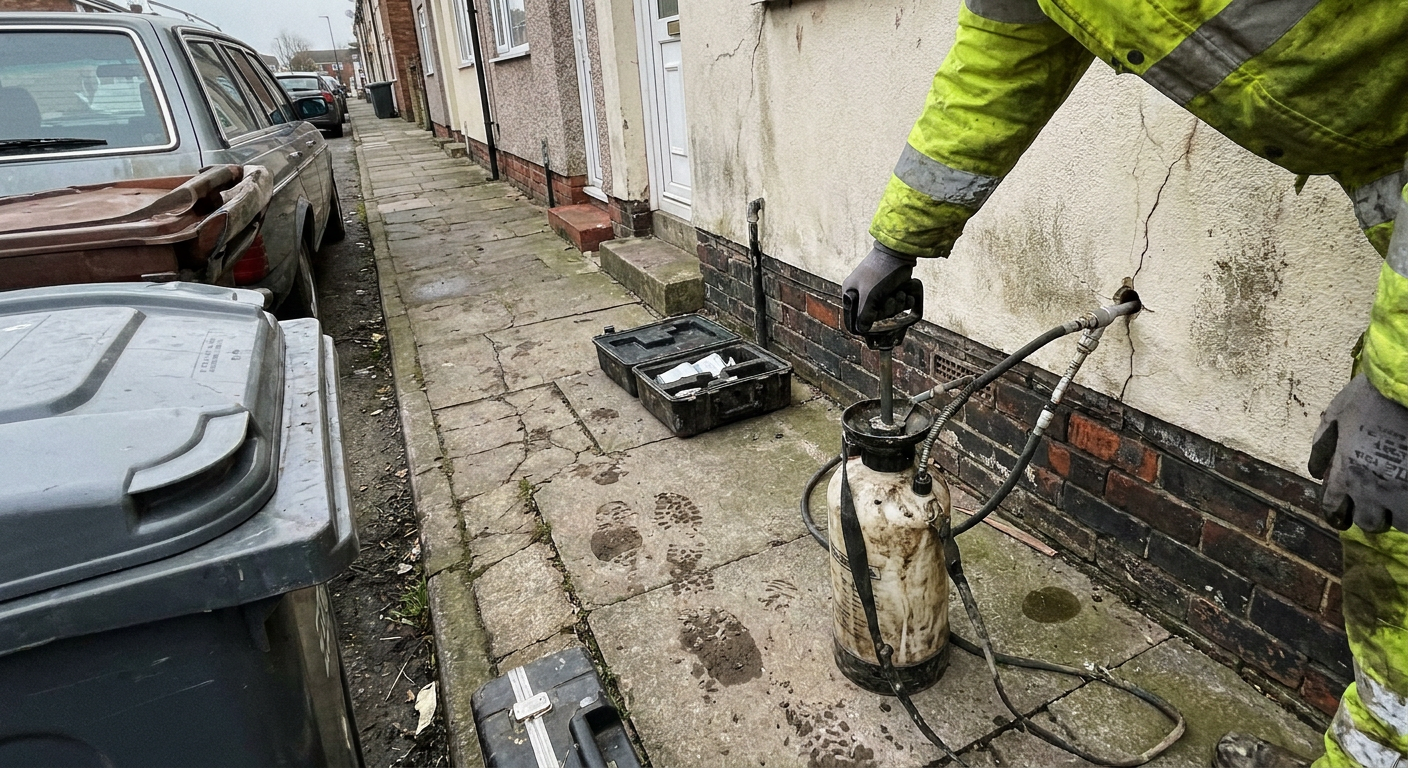
From first enquiry to written report
- 1
Send the details
Describe what you have noticed at home and where it is. Include photographs if you have them.
- 2
Book the visit
A specialist arranges a time to inspect the property, usually within a few working days.
- 3
Site inspection
The specialist examines internal and external walls, measures cracks and checks surrounding ground conditions.
- 4
Receive the report
A written document arrives setting out findings, causes and recommended next steps for your home.
Tell us what you have noticed at home
Send a description of the cracks or sticking doors you have spotted. The details go to a specialist firm who will advise on next steps. There is no obligation to proceed with any work.
- No obligation to proceed
- Local specialists only
- Written advice provided