Guide
Subsidence or settlement: telling the two apart
A crack in your home could be subsidence or settlement. The word used decides how insurers read it and how seriously a problem is treated. Find out what each term means for a house in Southampton.
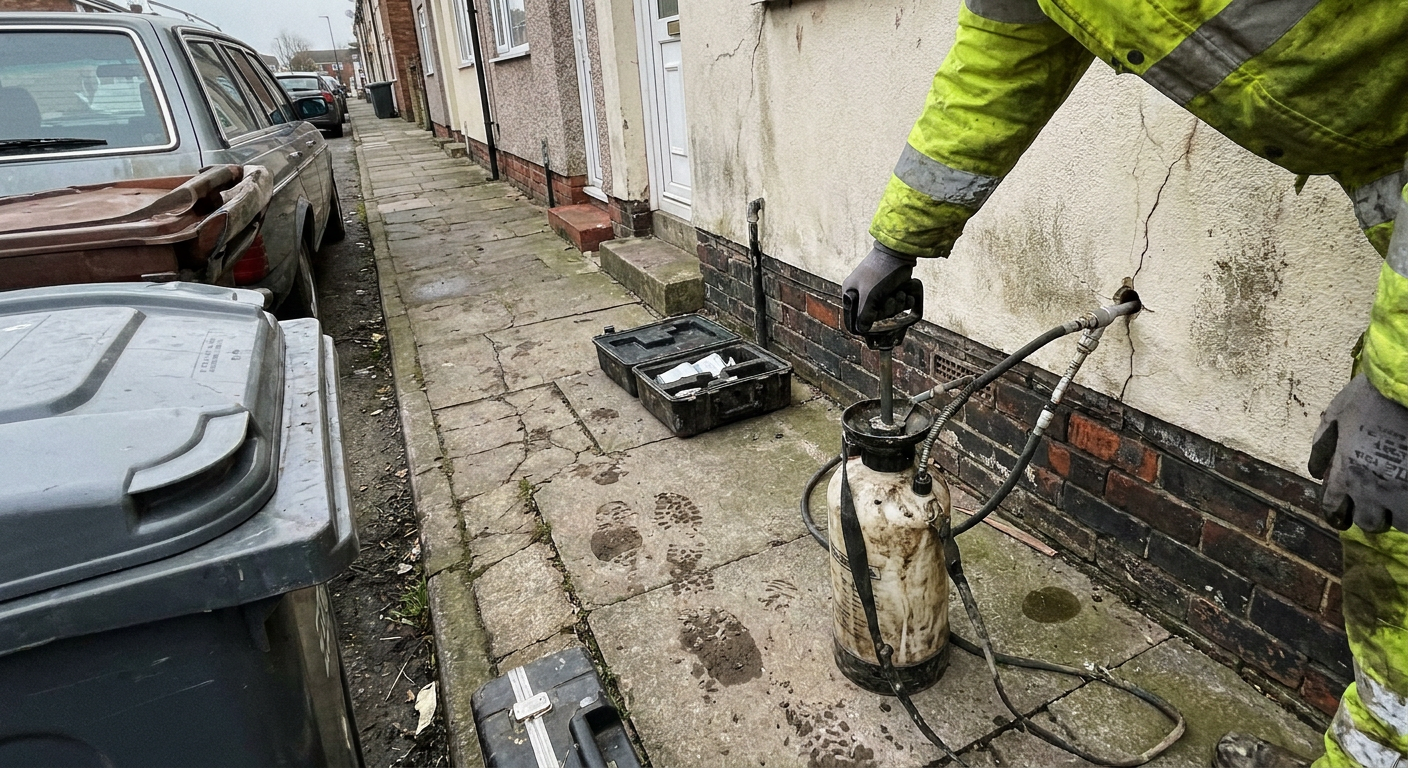
Understanding subsidence or settlement in Southampton
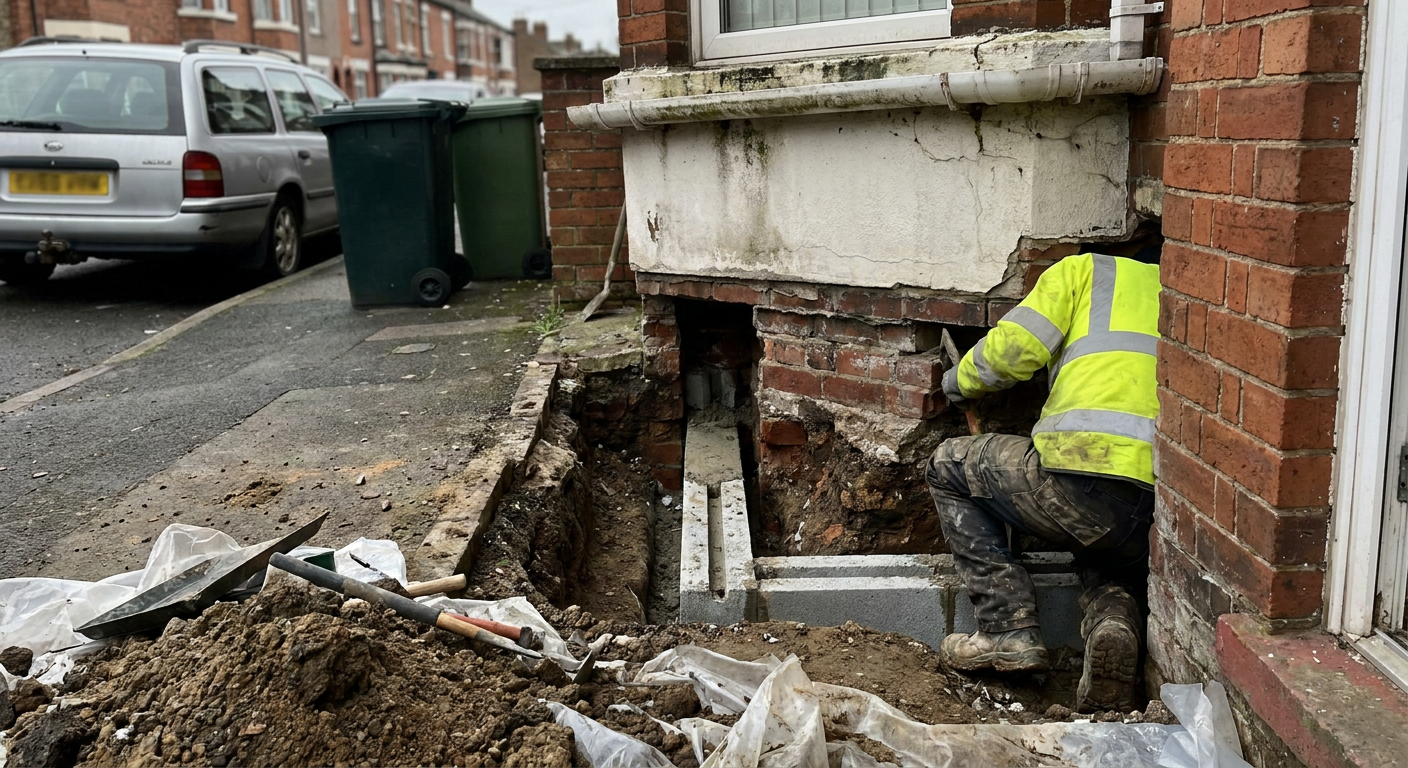
How to tell the difference between settlement and subsidence
Settlement happens when the ground beneath a home compresses under its weight. This is expected in new builds and extensions, particularly where fresh fill has been laid. Subsidence is different. It means the ground is moving away from the foundations after the building has already settled, so the structure loses support.
If you are trying to work out whether you are seeing subsidence or settlement, look at the timing. A newer Southampton extension showing hairline cracks within the first few years is likely settling. An older house developing new cracks after a dry summer points somewhere else entirely. People often ask if their house is subsiding in Southampton because the clay soils here shrink when they lose moisture. That seasonal drying is a common trigger for genuine movement.
Telling them apart matters because the fix differs. Settlement cracks usually need filling and decorating once the movement stops. Subsidence requires a specialist firm to investigate why the ground is failing and then stabilise the foundations. Getting house movement explained properly in Hampshire starts with knowing which of these two processes is happening.
Normal settlement in a newer Southampton extension
When a builder constructs an extension, the new walls add weight to ground that has not carried it before. The soil compresses slightly. This is normal settlement, and it almost always stops on its own once the earth reaches a new equilibrium. Most of the movement happens in the first year or two.
You might see fine cracks where the new extension meets the old house. These occur because the existing structure has already settled while the new part is still finding its level. A structural engineer will recognise this pattern quickly. The gap between settlement cracks vs subsidence becomes clear when someone measures whether the movement is ongoing or finished.
If the cracks stay thin and do not grow wider over several months, the extension is doing what physics demands. If they keep opening, or if doors start sticking in frames that used to close freely, the ground may still be shifting. At that point, a subsidence survey would establish whether the problem has moved beyond normal compression. Recording the cracks helps the specialist firm see the timeline.
Why the word subsidence matters so much to insurers
Insurers draw a hard line between settlement and subsidence. Standard buildings policies cover sudden or unforeseen damage. They expect a new build to settle, so they treat those early cracks as maintenance. Subsidence falls under a specific section of most policies because it involves the ground itself failing.
The distinction changes who pays. If a specialist firm diagnoses settlement, repairing the plaster and redecorating is your responsibility. If the diagnosis is subsidence, your insurer typically funds the investigation and the repair work, minus your excess. This is why the exact wording on a report carries so much weight.
A claim for subsidence can also affect future premiums or make it harder to switch providers later. Some homeowners worry about raising the issue at all. But ignoring active ground movement allows it to worsen, and insurers expect you to act once you notice a problem. Reading through how insurance handles subsidence claims clarifies what a policy will and will not respond to.
Who decides which it is and what to do first
A general surveyor spots signs of movement during a valuation or homebuyer report, but a structural engineer determines the cause. The engineer examines the crack patterns, checks the soil type and assesses the foundations. They decide whether the movement fits the profile of initial settlement or ongoing subsidence.
If you are unsure what you are looking at, the first step is measuring. Note the width and length of any crack, mark its ends with a pencil and date the marks. Check again in a few weeks. Structural monitoring gives a precise record of whether a wall is still moving or has stopped.
This evidence tells the engineer how fast things are changing. Do not fill the cracks before someone has seen them, as the shape and direction of a fracture hold clues about the forces involved. If the ground around your home in Southampton has dried out after a long summer, mention that too. Seasonal clay shrinkage is a frequent cause of foundation movement here.
Selling your house and the risk of cracks worsening
A confirmed subsidence diagnosis stays with a property. When you sell, your solicitor must declare it on the property information form. Buyers and their lenders will want to see proof that a specialist firm completed the repair and that the movement has stopped.
Homes that have been underpinned can still be mortgaged, but the paperwork takes longer. Lenders want reassurance that the ground is stable. Methods like mass concrete underpinning or mini piled foundations provide that stability by transferring the load to deeper, firmer strata.
Can settlement cracks turn into subsidence? Not directly. Settlement is a one-off compression. But if the ground conditions change later, perhaps because a tree draws moisture from the soil or a drain leaks and washes fines away, new movement can begin. What looked like harmless settling years ago might be followed by a separate subsidence event. Understanding the difference between subsidence, heave and settlement helps you read what is actually happening to your home.
What the signs in your home might mean
Cracks appear for many reasons. The same visible sign can point to harmless compression or failing ground, depending on where it sits and how it behaves over time.

- Hairline cracks near a new extension
- Usually normal settlement as fresh fill compresses. A structural engineer confirms it has stopped and advises on cosmetic repair.
- Diagonal cracks wider at the top
- Often points to differential movement in the foundations. Measuring the width over several months shows if it is active.
- Doors or windows suddenly jamming
- Frames distort when walls move. Checking the surrounding brickwork reveals whether the cause is seasonal clay shrinkage or something deeper.
- Gaps opening between skirting and floor
- The floor may be dropping relative to the wall. Monitoring establishes the rate of movement and guides the right repair method.
- Cracks reopening after being filled
- Ongoing movement rather than past settlement. A subsidence survey identifies the source so a specialist firm can address it.
Typical costs for investigating and repairing movement
Prices vary because every home sits on different ground. The depth of the foundations, the soil type across Southampton and the extent of the damage all shift a job within these ranges. Access for machinery matters too.
-
Structural engineer inspection
£500 to £1,200
Size of the home and complexity of the movement being assessed.
-
Crack monitoring setup
£800 to £2,000
Number of gauges needed and duration of the monitoring period.
-
Resin injection repair
£1,500 to £6,000
Depth of treatment and how much of the foundation needs stabilising.
-
Mass concrete underpinning
£12,000 to £40,000
Length of wall affected and how deep the new concrete must go.
-
Mini piled foundations
£20,000 to £60,000
Required pile depth and access restrictions for the piling rig.
These figures indicate what work of this type typically costs. Nothing here is a quotation. Only a physical inspection settles a figure for one specific home.
Ask about the movement in your home
Send details of what you have noticed. A specialist firm reviews the information and advises on the next step. There is no obligation to proceed with any work.
- No commitment required
- Local specialists only
- Clear next steps