Subsidence survey in Hamble-le-Rice: cracks and movement
A subsidence survey Hamble resident can rely on starts with reading the ground beneath the home. Find out what a specialist looks for where waterside plots meet sloping land, and what happens after that first visit.
Ground conditions in Hamble-le-Rice
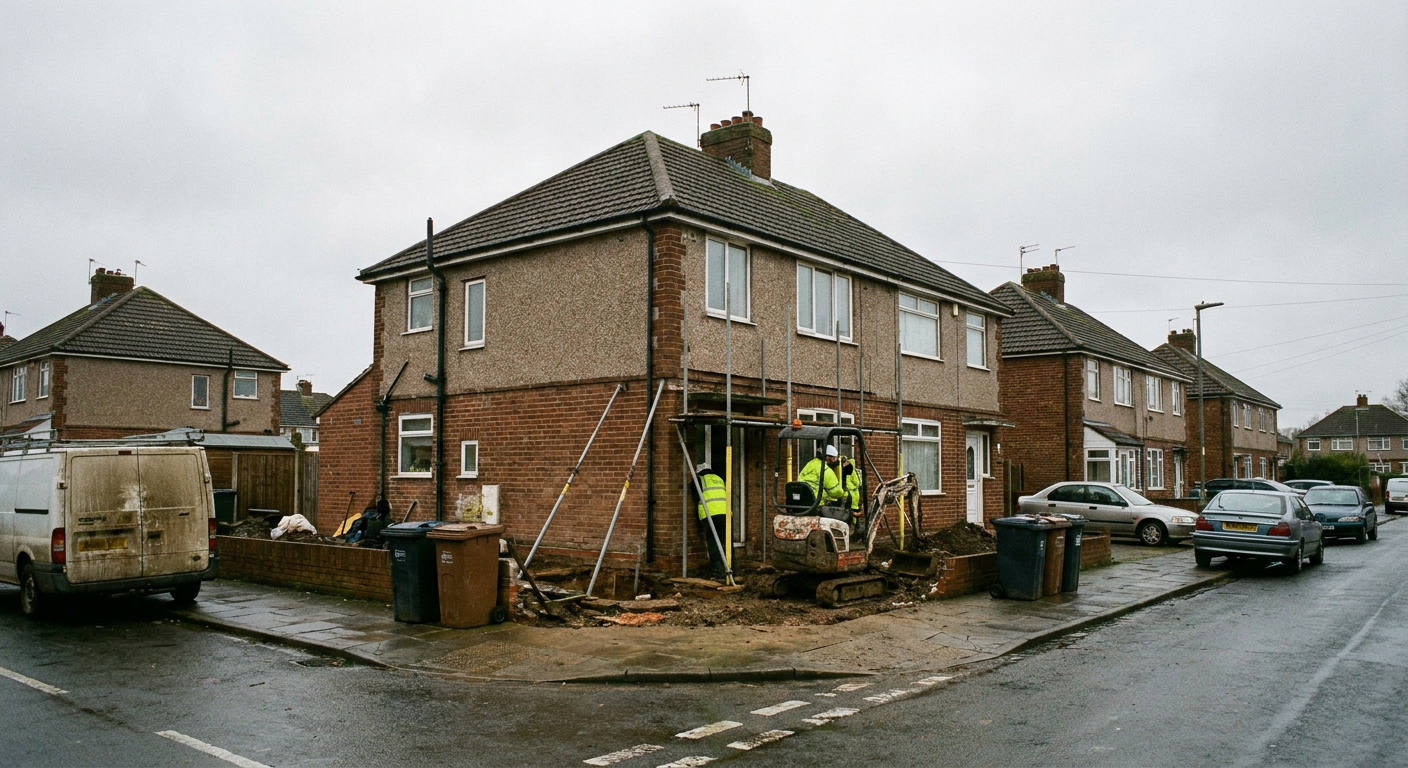
Hamble-le-Rice has waterside and sloping plots where ground conditions change over short distances. A structural survey in Hamble-le-Rice accounts for this by looking at how each part of a home sits on its specific patch of soil.
- Reclaimed coastal mud
- Made ground along the estuary is soft and compressible, so foundations here often settle unevenly compared to those on firmer inland soil.
- Deep pier foundations
- Homes near the water may need piers driven down to stable Barton Sand to stop ongoing movement caused by weak upper layers.
- Sloping village plots
- Gravity pulls moisture downhill, so houses built on a gradient experience different pressures on their uphill and downhill walls.
Foundation services in Hamble-le-Rice
Waterside property foundations in Hampshire face tidal moisture and variable soils. Each method below addresses a specific ground problem found around the village.
-
Subsidence survey in Hamble-le-Rice
The specialist visits the home to map cracks in walls in Hamble, measure door frames and check the surrounding soil. This determines whether the house is subsiding or settling naturally, and identifies what repair is needed next.
-
Mass concrete underpinning in Hamble-le-Rice
Where shallow made ground has failed, the contractor excavates sections beneath the existing footing and pours mass concrete underpinning in Hamble-le-Rice to transfer the load to firmer strata below the disturbed surface layer.
-
Mini piled underpinning in Hamble-le-Rice
For homes sitting on reclaimed coastal mud, mini piled underpinning in Hamble-le-Rice drives steel-cased piles through the weak fill until they reach the stable Barton Sand beneath, bypassing the unreliable upper soil entirely.
-
Resin injection in Hamble-le-Rice
Resin injection in Hamble-le-Rice involves the technician pumping expanding geopolymer into voids beneath the slab or strip footing. The resin fills gaps left by washed-out fines and lifts settled sections back toward level.
-
Structural monitoring in Hamble-le-Rice
Crack monitoring in Southampton villages like Hamble tracks whether movement is active or historic. The specialist fixes gauges across fractures and records readings over weeks to confirm the ground has stabilised before any repair begins.
-
Crack repair in Hamble-le-Rice
Once the cause is addressed, crack repair in Hamble-le-Rice restores the masonry. The contractor stitches fractured brickwork with helical bars and fills wider gaps with flexible mortar that tolerates minor seasonal shifts.
-
Basement underpinning in Hamble-le-Rice
Basement underpinning in Hamble-le-Rice deepens an existing cellar by excavating the floor in controlled bays and casting new concrete beneath the old walls, creating usable space without altering the building footprint above.
-
House underpinning in Hamble-le-Rice
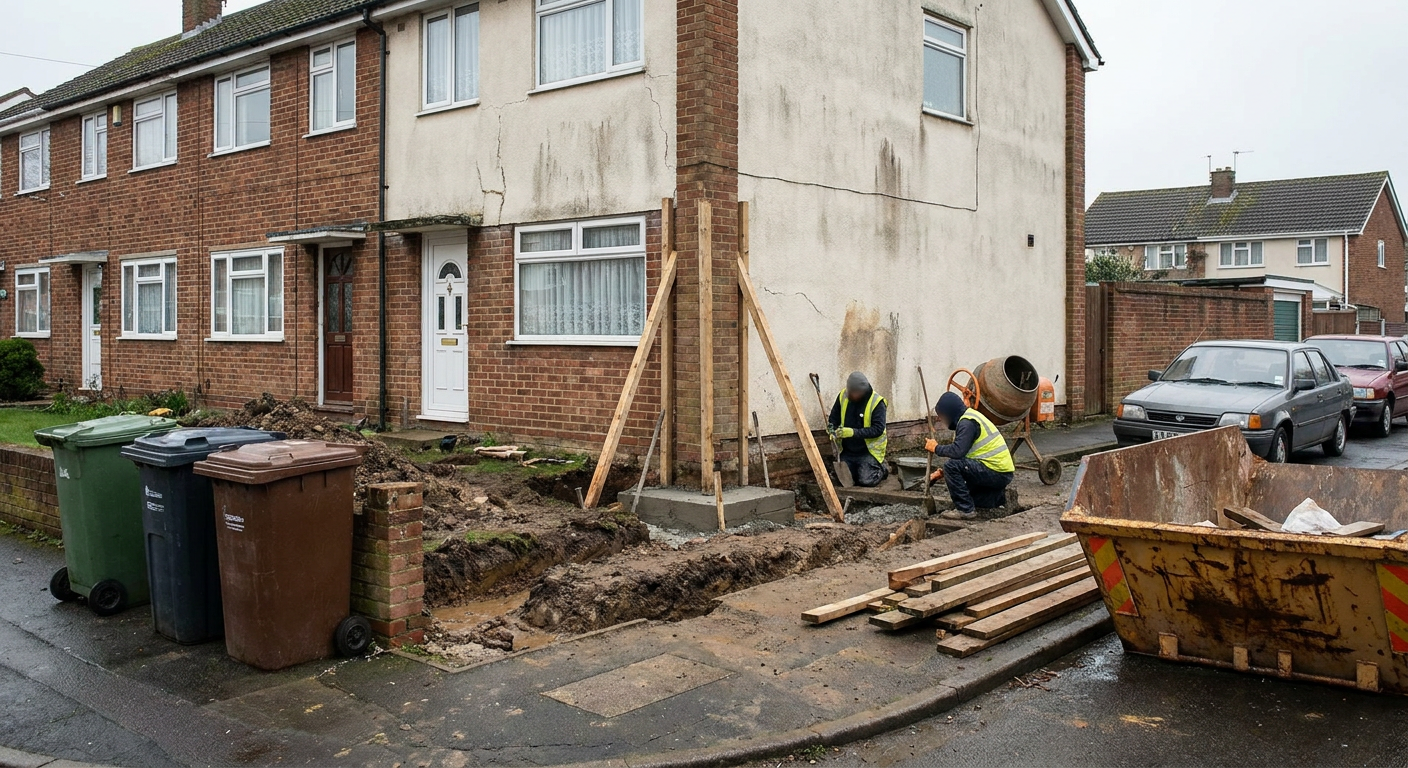
House underpinning in Hamble-le-Rice covers the full sequence from exposing the failing foundation to completing the structural support. The contractor manages the excavation, concrete placement and reinstatement of drainage around the home.
-
Foundation repair in Hamble-le-Rice
Foundation repair in Hamble-le-Rice addresses localised failures such as cracked footings or eroded concrete. The specialist pins broken sections, replaces spalled material and ensures the repaired strip carries the wall load evenly.
-
Underpinning contractors in Hamble-le-Rice
Underpinning contractors in Hamble-le-Rice carry out the physical work once the survey defines the method. They handle site setup, excavation, concrete pours or pile driving, and leave the ground reinstated when finished.
Villages and towns we cover
Enquiries are taken for homes across Southampton and the surrounding waterside villages. Separate specialist firms handle the survey and repair work in each location listed here.
If your village is not listed, send an enquiry and state where your home is.
Questions about ground movement in Hamble
These are the things homeowners ask when they first notice cracks or sticking doors in a village setting.
Could the ground be slipping rather than shrinking?
Yes. On sloping ground, house movement is often caused by slow soil creep downhill rather than clay shrinkage. The specialist checks the gradient, soil type and crack pattern to tell the difference.
What does a subsidence survey actually involve?
The surveyor examines internal and external walls, measures crack widths, checks levels and inspects drains and trees nearby. A typical visit to a cottage takes between two and four hours depending on the size of the home.
Are waterside properties more prone to movement?
Properties built on estuarine mud or reclaimed land move more readily because the upper soil is soft and waterlogged. Tidal changes alter moisture content frequently, increasing the chance of differential settlement beneath the walls.
Is a crack by the stairs and sticking doors serious?
Sticking doors combined with a new crack suggest the frame has distorted because the wall moved. It warrants a professional look, but many such cases turn out to be minor settlement rather than active subsidence.
Will I get a written report for my insurer?
Yes. The specialist produces a written report detailing findings, measurements and recommended action. Insurers require this document before they will consider a claim related to ground movement or structural damage.
Do you need to monitor cracks for months first?
Sometimes. If the movement appears recent or seasonal, the specialist installs monitors and returns to read them over several months. If the cause is obvious and active, repair planning can begin straight away.
What repair options suit an older village property?
Older cottages with shallow brick footings often need mini piling if the soil is weak, or mass concrete if firm ground is close to the surface. Resin suits lighter structures where voids have formed beneath the slab.
How soon can someone come out to look?
Timings depend on the specialist firm's schedule, but most aim to visit within a few working days of receiving the enquiry details. Mention any rapidly widening cracks when sending the initial message.
Ask about your home in Hamble-le-Rice
Send the details of what you have noticed. The information goes to a specialist who deals with ground movement, and writing in does not commit you to any work or cost.
- No obligation to proceed
- Read by a specialist firm
- Your details stay private