Guide
Making good after underpinning: plaster, render, decor
Once the ground beneath a home is stable, the inside still needs attention. Filling cracks, replastering walls, patching outside render and redecorating all follow the structural work. Find out what that finishing stage involves.
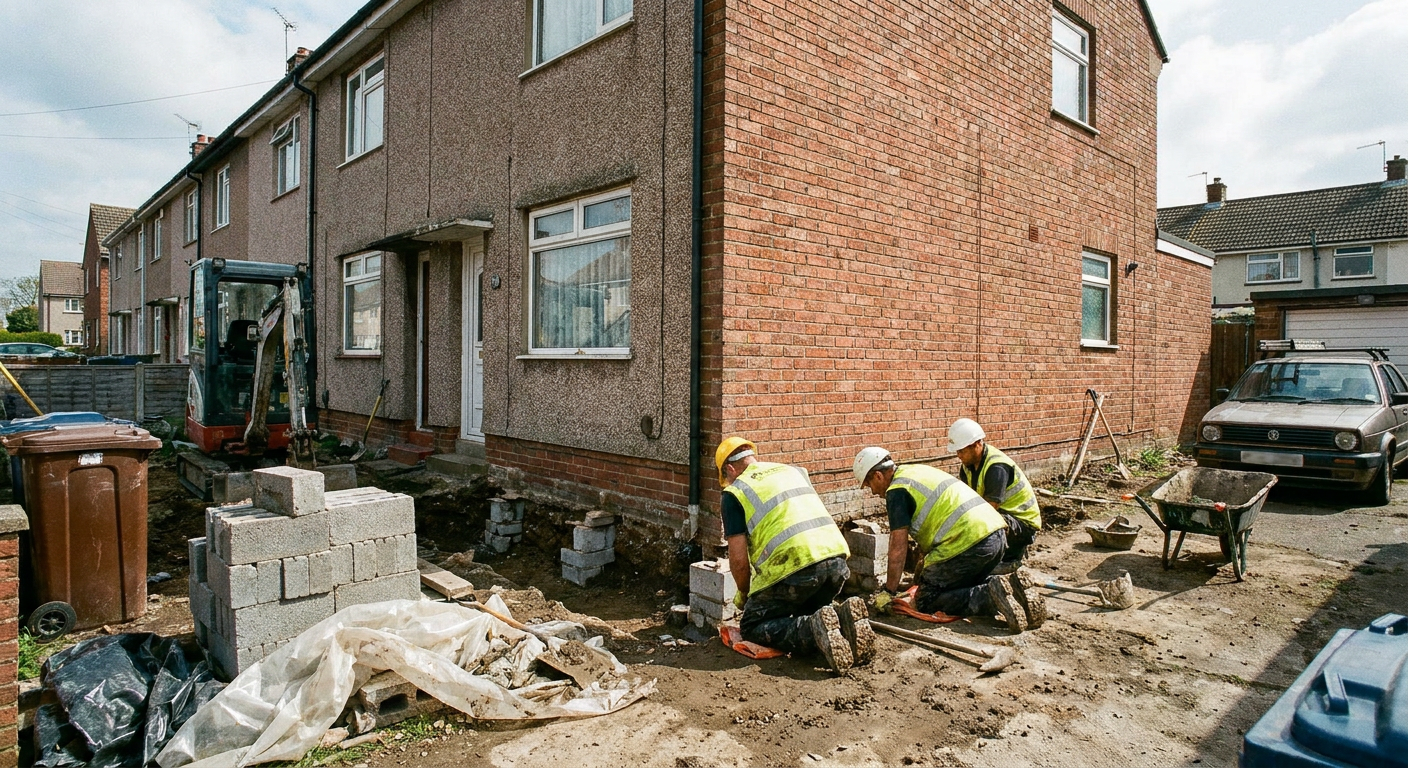
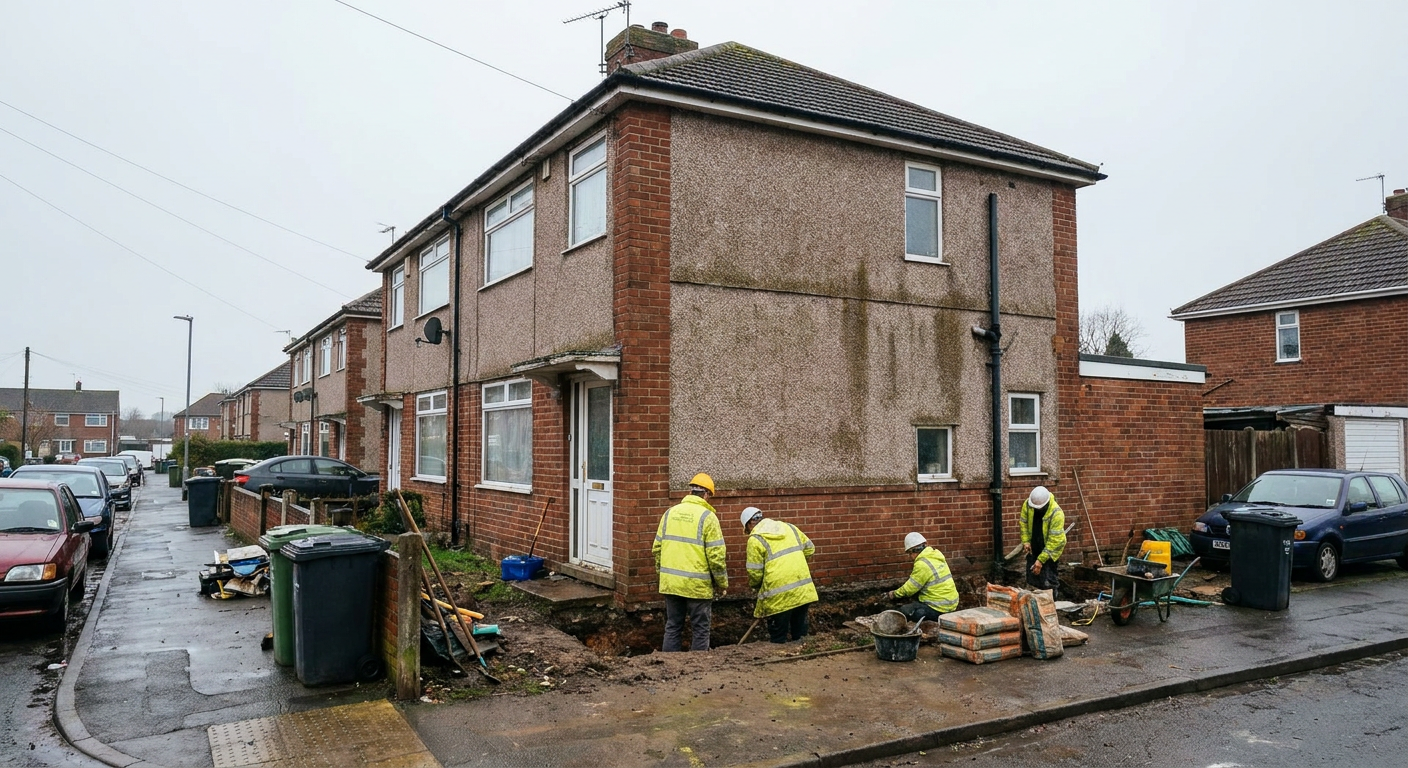
Why the inside of your home needs attention
Underpinning stops a house from moving further into the ground. But the damage that prompted the work does not vanish once the new foundations are poured or the resin has cured. Walls that cracked when the soil shrank stay cracked. Plaster that bulged away from the brickwork stays loose.
A specialist firm will stabilise the structure first. Only then does making good begin. Rushing to fill a crack before movement has stopped means doing the same job twice. That is why [structural monitoring](/structural-monitoring) often runs alongside or immediately after the main work. Gauges fixed to the wall tell everyone whether the building has settled.
For a homeowner in Southampton, this waiting period can feel frustrating. The heavy machinery has gone, but the rooms still look damaged. Knowing that the sequence matters helps. The ground must be steady before the finishes go back on.
Filling cracks once the ground is steady
Small cracks in plaster are straightforward to fill with standard decorators caulk or filler. Wider gaps, especially those running diagonally across a wall or stepping along mortar joints, need more care. A specialist handling [crack repair](/crack-repair) will rake out the loose material, check the edges are sound, and pack the void with a flexible filler that tolerates minor seasonal movement.
Brickwork cracks on the outside face of the house follow a similar pattern. Mortar that has crumbled needs raking out and repointing. If the bricks themselves have split, a mason might cut them out and replace them individually.
The type of soil around a Southampton home affects how much movement to expect even after stabilisation. Clay shrinks in summer and swells in winter. Understanding the difference between [subsidence or settlement](/sinking-and-settling/subsidence-or-settlement-southampton) helps explain why some cracks reopen slightly with the seasons and why flexible materials are preferred over rigid ones.
Replastering walls and ceilings
When a wall has moved, the old plaster often loses its grip. Tapping it produces a hollow sound. That section needs removing back to solid material before fresh plaster goes on.
Skimming a whole room gives a uniform finish, but patching is cheaper and usually sufficient if the damage is localised. The join between old and new plaster needs feathering so it disappears under paint. A skilled plasterer blends the repair into the surrounding surface without leaving a visible ridge.
Ceilings suffer too, particularly where joists have twisted as the walls shifted. Loose plasterboard might need re-screwing before any skimming happens. In homes where [underpinning a house](/house-underpinning) involved excavating beneath internal load-bearing walls, the vibration alone can loosen ceiling finishes several rooms away from the actual dig site. Checking every room, rather than just the one above the trench, prevents surprises later.
Patching external render
Outside, render cracks let rain reach the brickwork behind it. Once water gets in, frost can blow the surface off entirely. Patching render is therefore more than cosmetic.
The damaged area gets cut back to a straight edge, primed, and filled with a mix that matches the existing texture. Pebbledash requires flicking aggregate onto wet base coat so the patch does not stand out. Smooth render needs trowelling flat and finished to the same grain.
Colour matching old render is difficult because weathering changes the tone. Painting the whole elevation after repairs hides the joins. If the house needs [foundation repair](/foundation-repair-southampton) that disturbs large sections of the lower walls, the specialist firm might recommend re-rendering the entire face rather than patching multiple small areas.
Redecorating after structural repairs
Paint does not stick well to fresh plaster until it has dried thoroughly. Skimmed walls typically need two to four weeks depending on ventilation and humidity. Applying emulsion too soon traps moisture and causes peeling.
A mist coat, which is watered-down matt emulsion, seals the bare plaster first. Two full coats follow once that base layer dries. Woodwork around windows and doors often needs attention too, since frames distort when walls move. Planing a sticking door or adjusting sash window balances usually happens at this stage.
Homeowners sometimes ask whether their insurer pays for redecoration. Policies vary. Some cover only the structural element, leaving the decorative finish to the owner. Checking what [house insurance covers for subsidence](/sinking-and-settling/does-insurance-cover-subsidence) before starting the decorating avoids arguments later. Keep receipts for materials and labour either way, since they support any future claim.
Keeping an eye on things afterwards
Making good is the final stage, but it is not always the end of the story. Trees growing close to the house continue drawing moisture from the soil. Roots that caused the original problem might cause another if left unmanaged. Understanding how [tree roots cause subsidence](/sinking-and-settling/tree-roots-and-subsidence) helps decide whether pruning or removal is necessary.
Seasonal changes still affect clay soils across Southampton. A hairline crack appearing after a dry August does not automatically mean the underpinning failed. It might simply be the building responding to normal shrinkage. Recording the width and length of any new marks using a simple method for [measuring cracks](/sinking-and-settling/how-to-measure-a-crack) creates a log that shows whether movement is active or historic.
If gauges were installed during the project, the monitoring firm will read them at agreed intervals. Those readings confirm the repair is holding.
Ask about making good your home
Send details of the damage you see. The information goes to a specialist firm who handles repairs in Southampton. There is no obligation to proceed.
- No commitment required
- Local firms respond
- Free initial advice