Subsidence survey Chilworth
Subsidence survey Chilworth
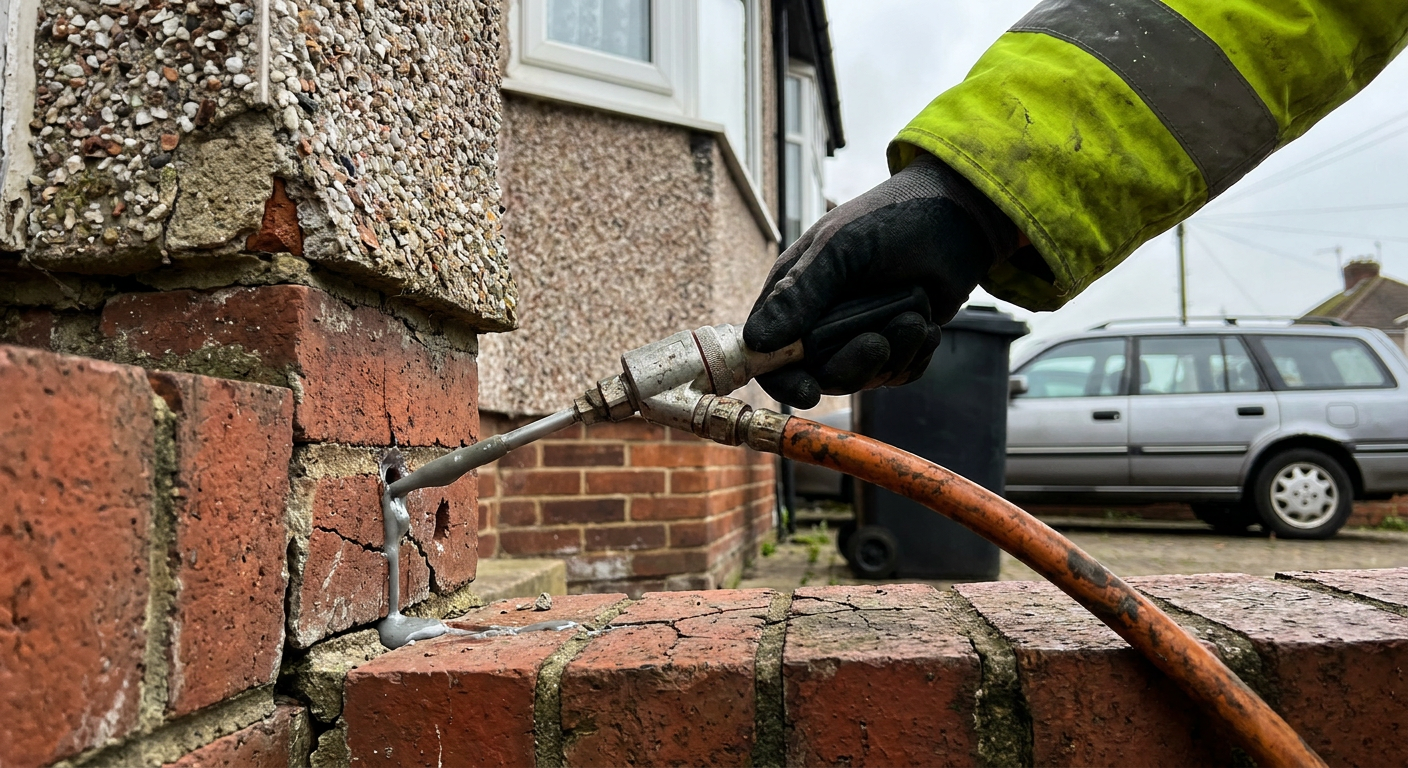
A subsidence survey in Chilworth finds out what the cracks mean and whether the ground under your home is moving. A specialist inspects the property, records the evidence and sets out what to do next.
- Clear written findings
- Suitable for insurers
- Local clay knowledge
Describe what you have noticed
Chilworth ground conditions
Why homes in Chilworth move
Mature deciduous tree cover on sandy Bagshot Beds causes severe desiccation and seasonal foundation subsidence here.
- Clay shrinkage The soil under Chilworth dries out in summer and swells when wet. This cycle shifts foundations and opens cracks in walls.
- Tree roots Large trees near a boundary draw moisture from the clay. Roots reaching under a house can cause one side to drop.
- Seasonal movement Cracks that open after a dry summer and close in winter point to clay shrinkage rather than permanent settlement.
- Sticking doors and windows Frames distort as walls shift. Doors and windows jamming is often the first sign of ground movement inside a home.
Foundation services available in Chilworth
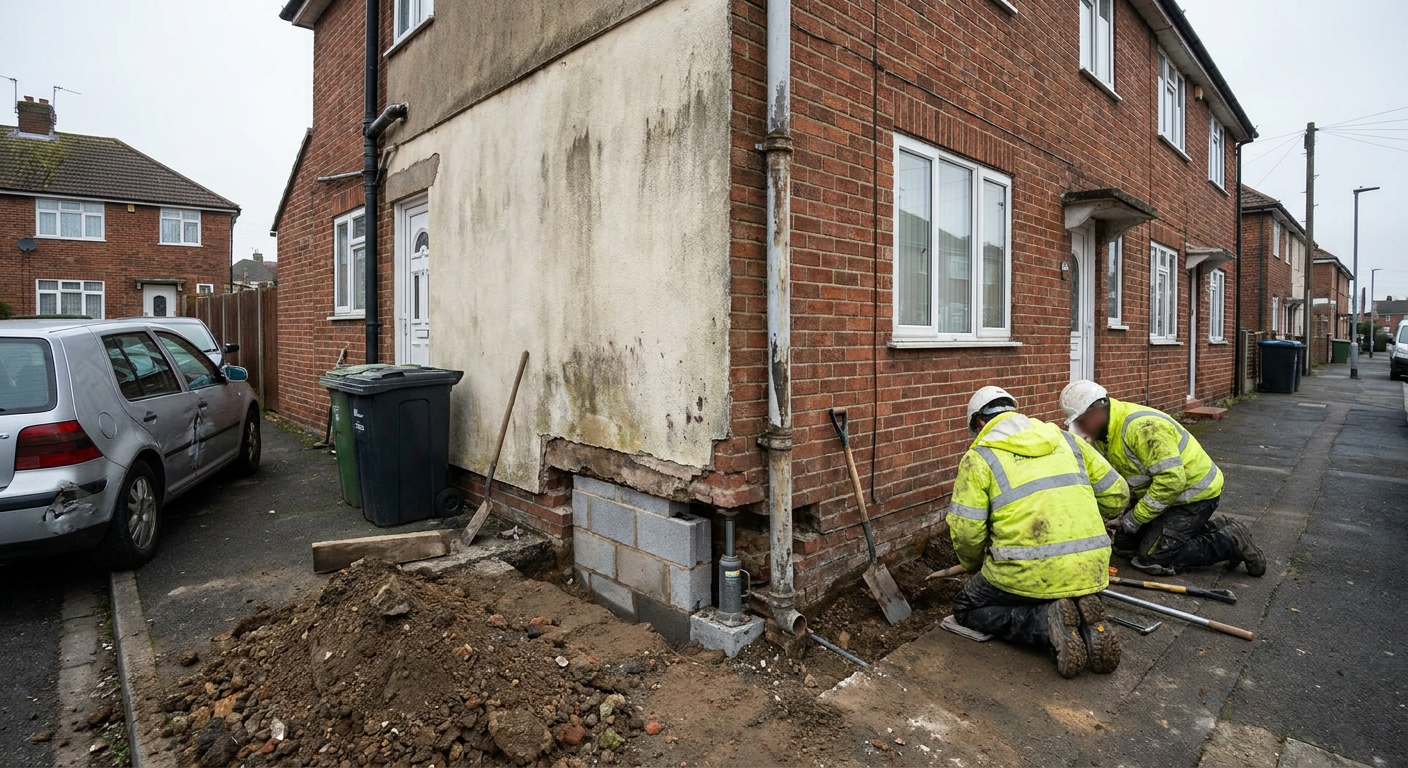
Once the ground is understood, a specialist firm carries out the necessary work. Each method suits different soil depths, building types and levels of movement around Southampton.
-
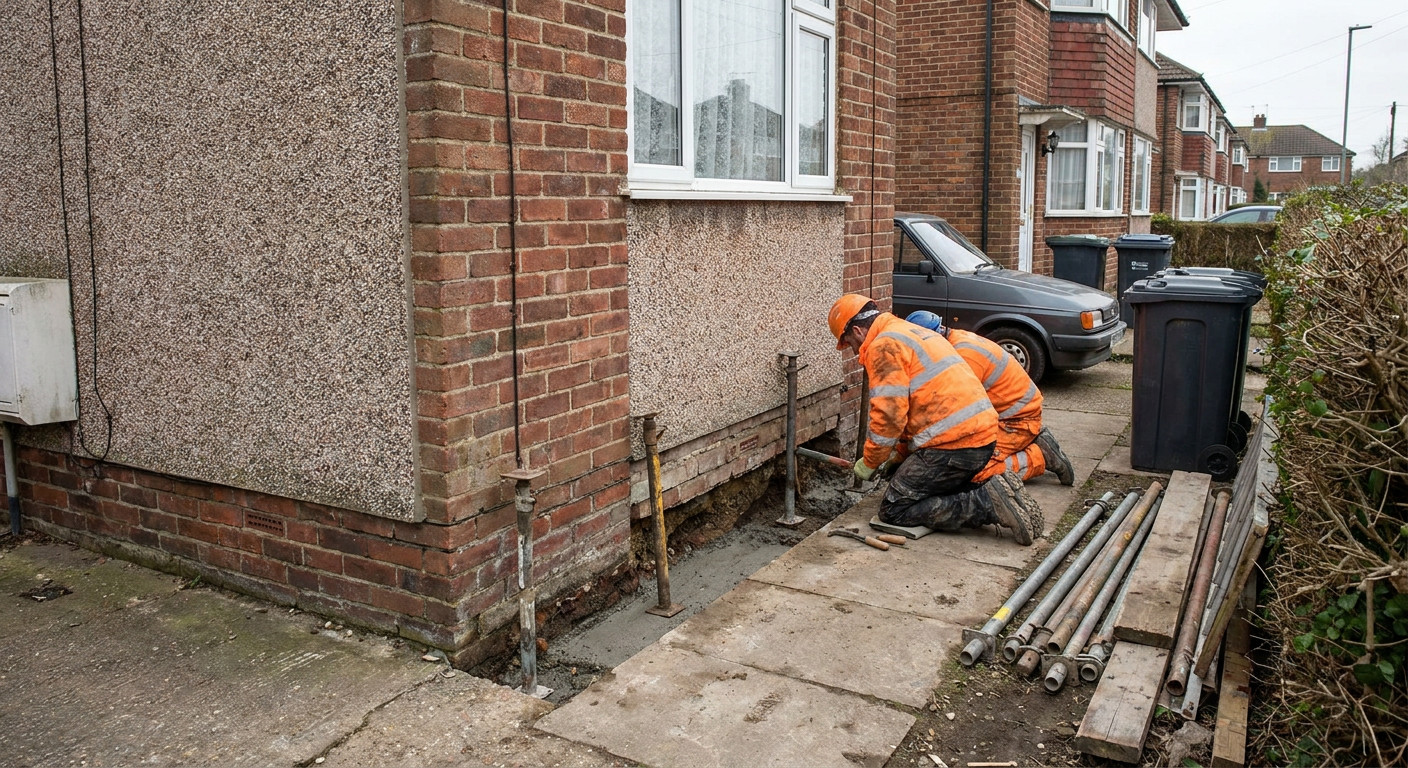
Subsidence Survey
A specialist inspects the home, measures any movement and produces a written report detailing the cause of subsidence along with recommended next steps for repair.
-
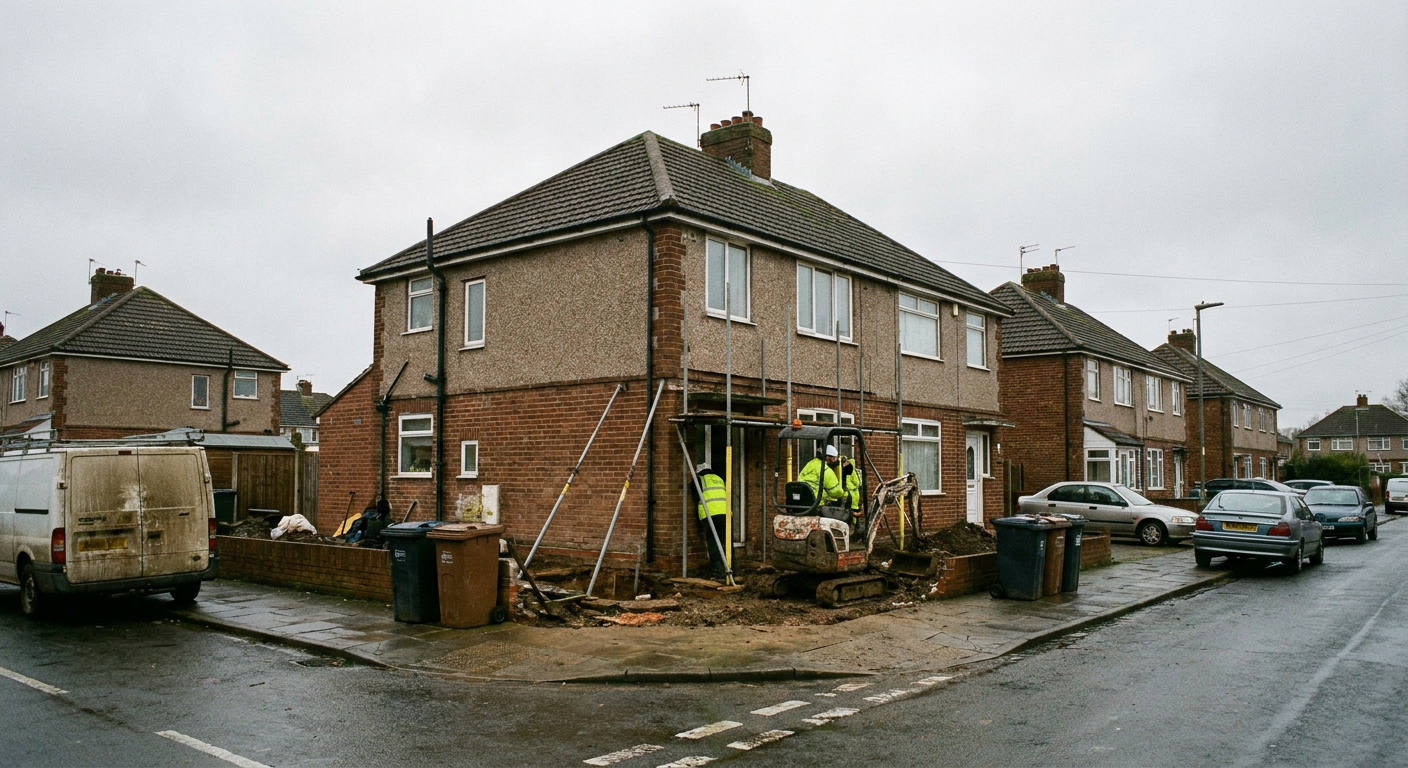
Structural Monitoring
A specialist fits gauges to track wall movement over months, proving whether the ground has stabilised before any repair.
-
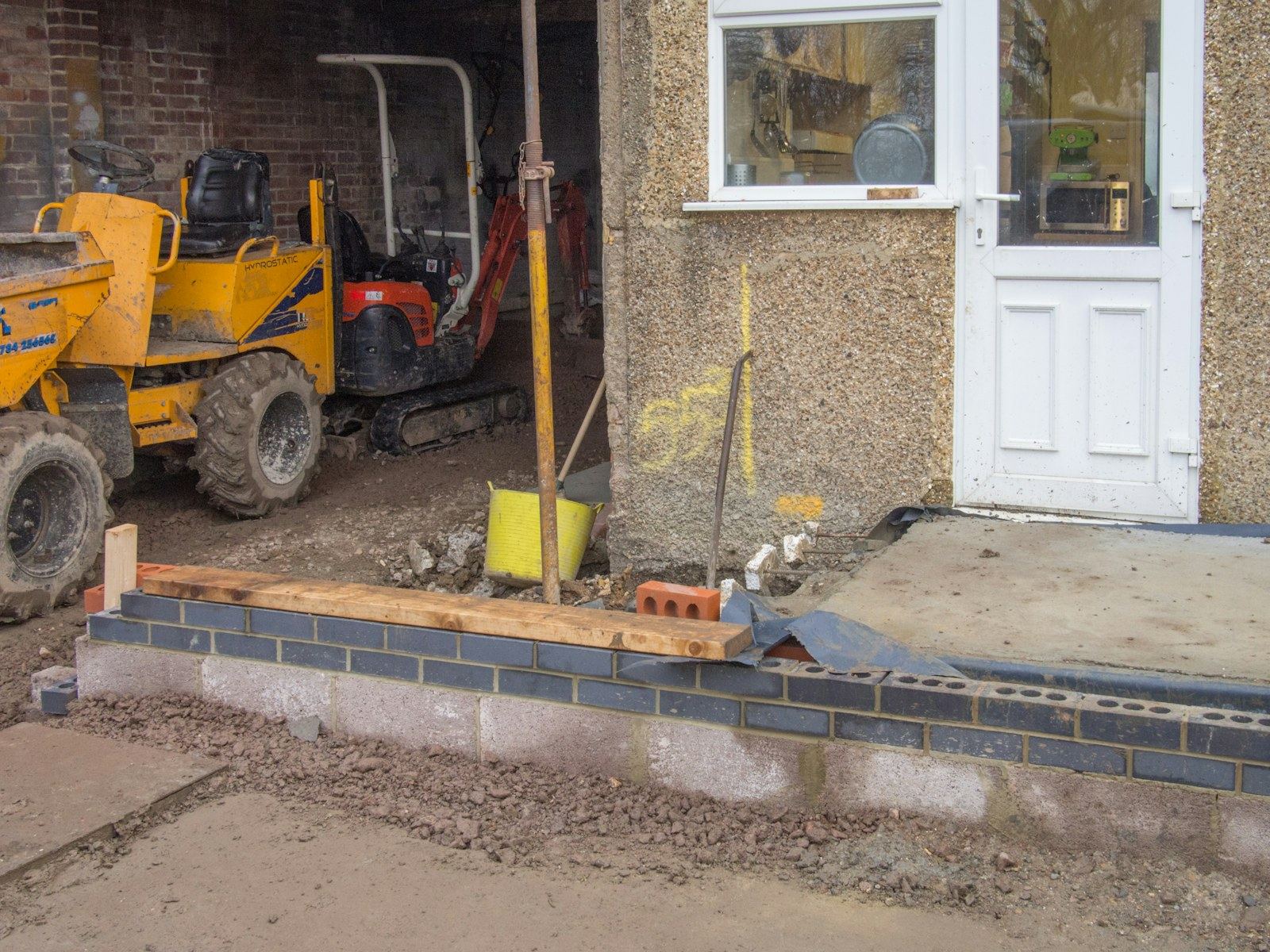
Resin Injection
A specialist injects expanding resin beneath shallow foundations to compact loose soil and lift settled sections of a home.
-
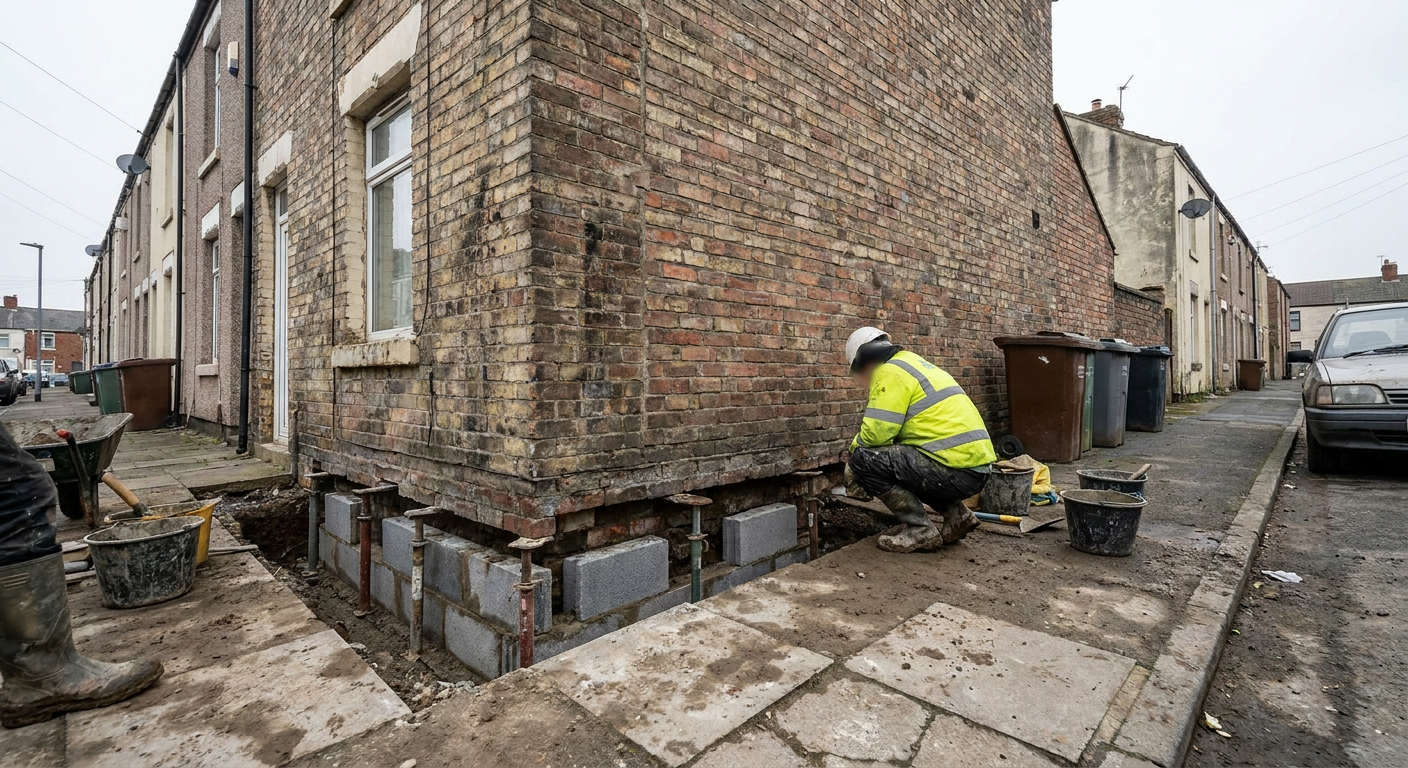
Mass Concrete Underpinning
A specialist excavates bays below the existing footing and fills them with concrete to carry the load on firmer ground.
-
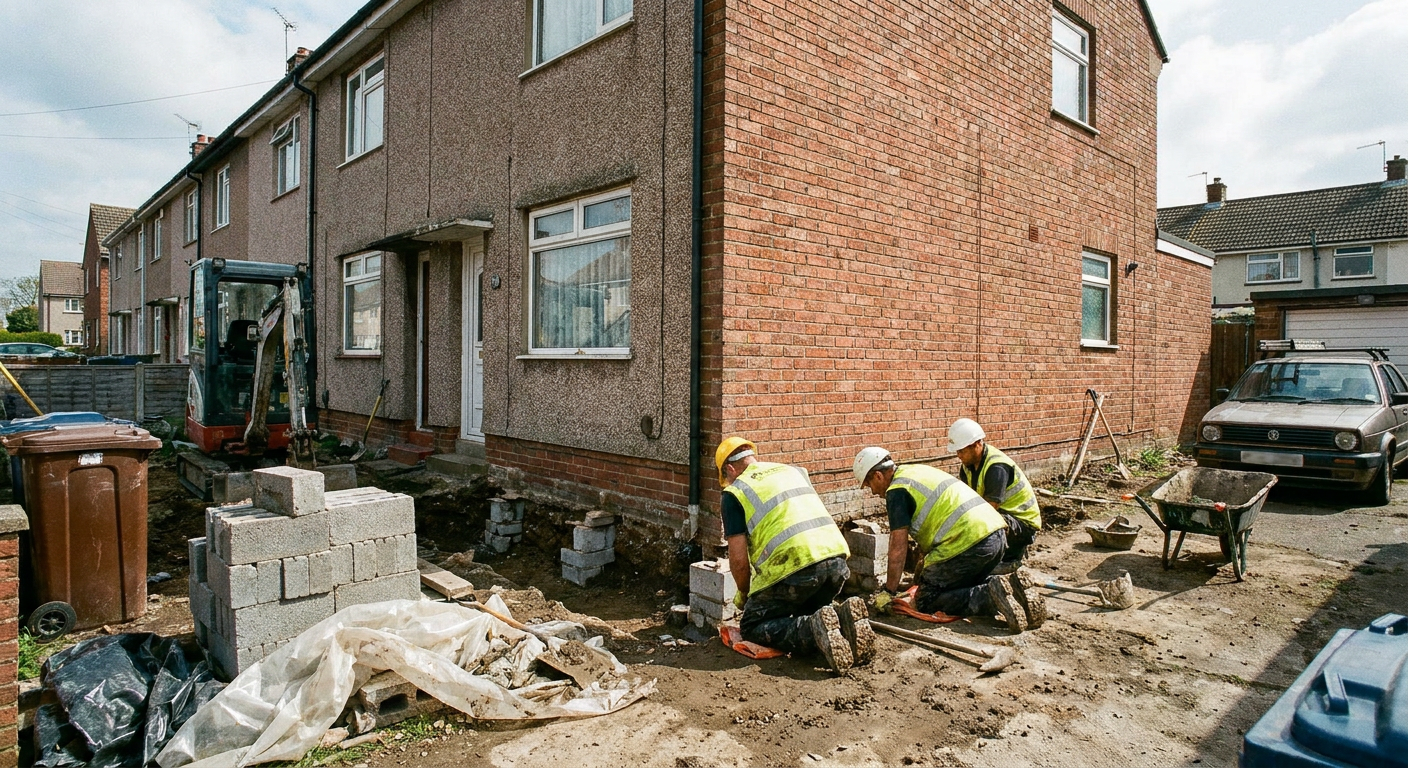
Crack Repair
A specialist stitches cracked masonry with steel rods or resin ties so the wall regains its strength after movement stops.
Survey first or claim first
The order matters because insurers need evidence of the cause before they authorise any repair work on your home.
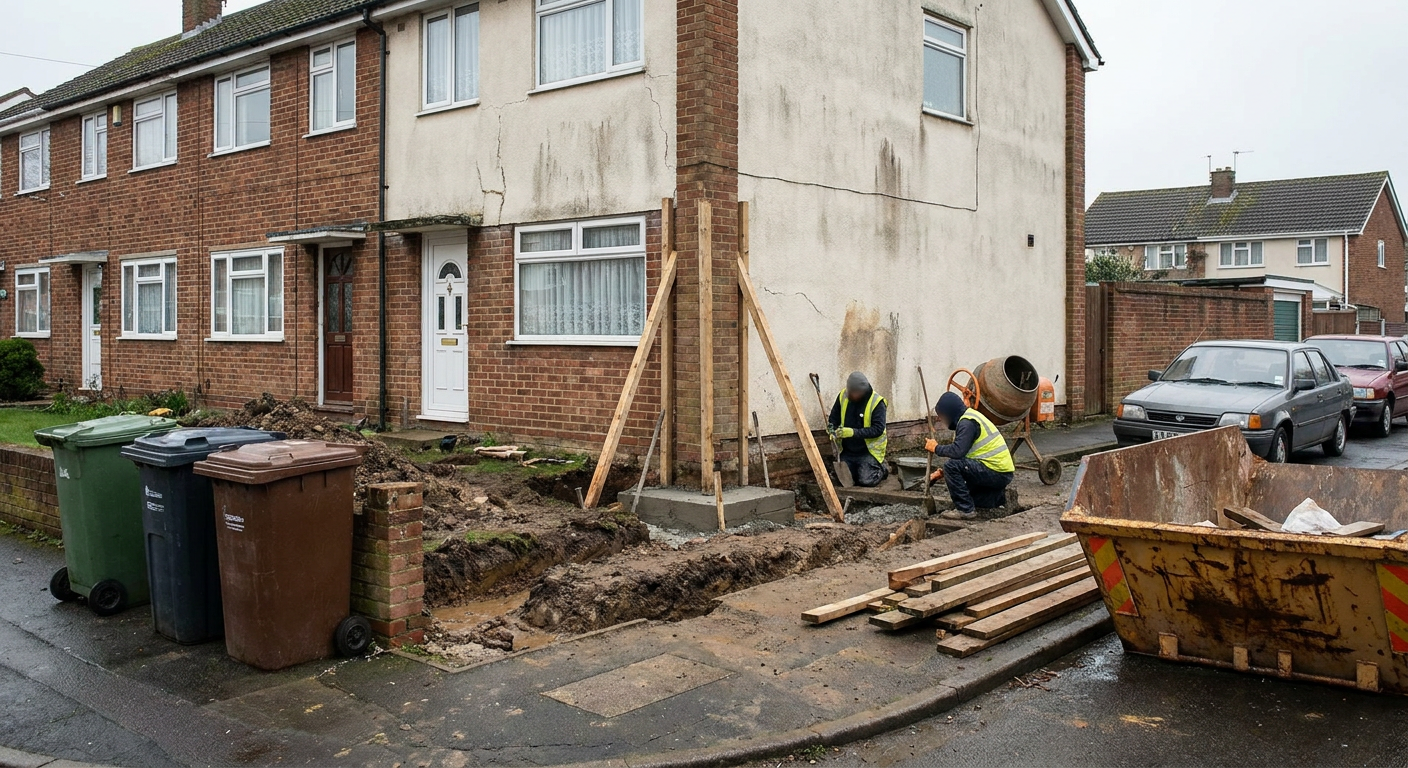
Evidence gathered
- Arrange a survey first
- A specialist records measurements and photographs before anything changes.
- Claim without a survey
- Insurers may send an adjuster who lacks structural engineering training.
Cause identified
- Arrange a survey first
- The report separates clay shrinkage from drainage leaks or old settlement.
- Claim without a survey
- Without this, the insurer might reject the claim or delay it.
Recommended action
- Arrange a survey first
- You receive a clear scope, which might be monitoring rather than underpinning.
- Claim without a survey
- The insurer reviews the survey findings and decides what remedy to approve.
A specialist advises which path suits your home after inspecting the damage.
What the survey gives you
A subsidence survey in Chilworth ends with a document setting out what the specialist found, why the home is moving and what should happen next. It becomes the basis for any insurance discussion or repair plan.
Written subsidence report
A full Hampshire subsidence report recording crack widths, locations and the likely cause of movement at your home.
Measured evidence
Drawings and photographs showing where walls have shifted, suitable for sharing with an insurer or loss adjuster.
Scope of works
A recommendation stating whether the home needs monitoring, resin injection or deeper underpinning to stop movement.
Typical costs for survey and repair work
Prices vary because every home sits on different ground. The depth of the clay, proximity of mature trees and how far the walls have moved all change the scope. Access around the building and internal finishes add further variables.
-
Subsidence survey
£800 - £1,500
Size of the home and number of cracks the specialist must record and measure.
-
Structural monitoring period
£1,200 - £2,500
Number of gauges fitted and how many return visits the specialist makes.
-
Crack stitching repair
£1,500 - £4,000
Length and position of cracks and whether plasterwork needs reinstating.
-
Resin injection repair
£3,000 - £8,000
Depth of treatment needed and how much floor area requires lifting.
-
Mass concrete underpinning
£12,000 - £30,000
Length of wall affected, depth to stable soil and access for excavation.
These figures indicate what work of this type typically costs. Nothing here is a quotation. Only a site inspection settles a figure for one home.